Meaning of system voltage
System voltage is the nominal voltage used to identify an electrical system or part of one. It is the convenient, recognized designation for the system’s operating level, not a promise that voltage remains exactly at that number at every moment. Actual voltage can vary with operating conditions and system design. In project discussions, the term helps engineers, owners, and equipment suppliers establish a shared reference point.
The designation describes the electrical system, while an equipment voltage rating describes the conditions for which a particular product or assembly is designed. Those values are related, but they are not interchangeable. For a purchase, the system voltage is essential input; it does not, by itself, establish that a proposed switchgear or switchboard is suitable. The responsible engineer must evaluate the complete system and the equipment’s documented ratings.
Why the distinction matters to equipment selection
A buyer may identify a project as a 480 V class system, which is low voltage, but that phrase alone does not specify every required equipment characteristic. The project team must define how the system is configured, what conductors and grounding arrangement apply, and what the equipment must connect to and serve. Confirm the applicable electrical ratings and configuration against the project documents instead of assuming that a nominal voltage label settles the selection.
Equipment maximum voltage is a separate term: it refers to the upper voltage level associated with equipment design or application, as defined for the particular equipment and governing requirements. It should not be casually substituted for nominal system voltage. Insulation coordination and other voltage-related design matters may also affect suitability. The engineer should determine which criteria apply, while the equipment supplier confirms the offered assembly against the approved specification.
Illustrative low-voltage switchgear example
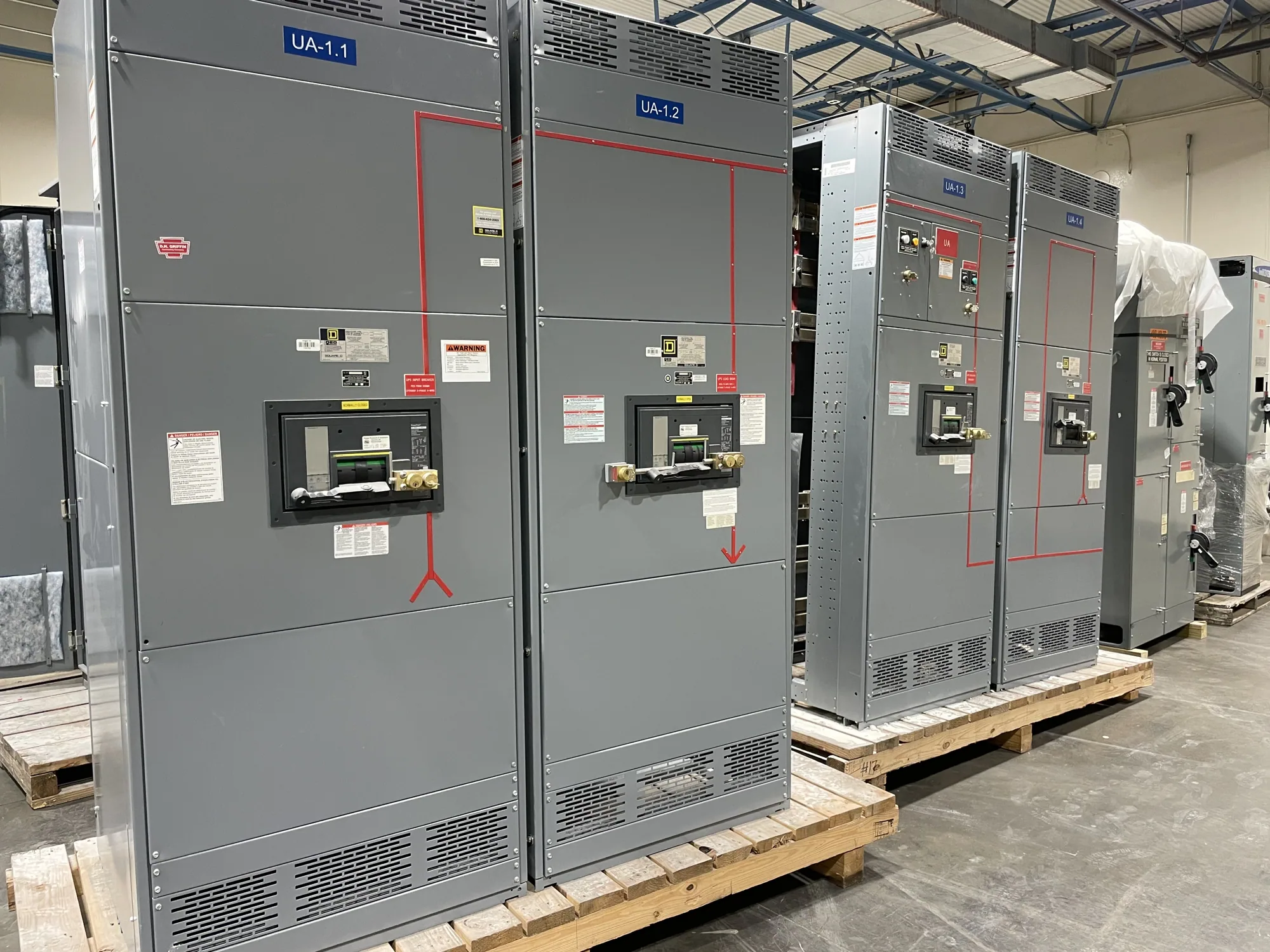
Consider a project whose one-line diagram identifies a 480 V class system and calls for new low-voltage switchgear. That designation gives a useful starting point, but the supplier still needs the approved equipment specification and system information. The engineer and supplier should verify the required voltage ratings, arrangement, protective devices, incoming and outgoing connections, and any project-specific features. These details cannot be inferred from the system-voltage label alone.
Suppose instead that a discussion mentions only “480 volts” without identifying whether that is the nominal system designation, a point-of-connection value, or a rating copied from an existing document. The prudent next step is clarification, not guessing. Ask the responsible engineer to reconcile the one-line diagram, equipment schedule, and written specification. This conceptual example makes no assumptions about a particular installation or required rating; those decisions depend on the project.
Common misunderstandings and related terms
One common error is treating nominal system voltage as the exact voltage present continuously. Another is assuming that equipment with a voltage number in its description is automatically compatible with every system carrying that number. Compatibility requires review of the full design and documented product characteristics. Likewise, “low voltage” is a product-class description in this context, not a complete engineering specification or a substitute for the system’s nominal voltage.
Keep related terms distinct. Voltage rating refers to an equipment characteristic stated for a product or assembly. Maximum equipment voltage has a specific meaning that must be interpreted in its applicable context. System configuration describes how the electrical system is arranged, including relevant phase and grounding details. These terms inform one another, but each answers a different question. If project documents use them inconsistently, request clarification before equipment is finalized.
Information to prepare for a supplier
For a new switchgear or switchboard inquiry, provide the current one-line diagram, the nominal system voltage, and the engineer-approved equipment specification. Include the system configuration and grounding information, source and load arrangements, required protective-device details, connection requirements, and any defined future provisions. Identify the project stage and note which selections remain open. Clear documentation lets the supplier identify missing inputs rather than treating an incomplete voltage description as a complete design basis.
Also ask which equipment ratings and construction details the offer addresses, what assumptions remain, and which items require engineering confirmation. If a low-voltage switchboard is being considered, ask whether UL 891 applies to the specific design and whether the proposed assembly listing is verified; applicability is not automatic. For any equipment, listing, ratings, testing, and standards claims must be confirmed for the actual supplied configuration.
Coordinating the specification and next steps
Use system voltage as a precise vocabulary entry, then carry the verified value into coordinated project documents. The engineer establishes the design basis; the buyer supplies complete project information; and the manufacturer evaluates the requested new equipment against that information. Resolve discrepancies before release, including differences between drawings, schedules, and written requirements. Availability and actual lead times depend on the order and should be confirmed during quotation and scheduling.
South Carolina Switchgear Builders manufactures US-built equipment with all-American components, custom to specification, and ships nationwide. For a project, provide the confirmed nominal voltage and complete specification so the proposed assembly can be reviewed for fit. System voltage starts the conversation; coordinated engineering details determine what equipment is appropriate. Installation, testing, and maintenance should be performed only by qualified personnel following applicable safety procedures.