Set the facility-wide safety context
Chemical processing facilities combine process distribution, motor loads, control systems, and operating conditions that can change as production needs evolve. Electrical equipment may serve pumps, compressors, heaters, or other process loads, while some areas may have classified-location requirements. These conditions make arc-flash planning a facility-wide engineering task, not simply a switchgear selection exercise.
An arc-flash hazard assessment should be developed and maintained by qualified professionals using the actual electrical system information and applicable safety requirements. Its purpose is to inform risk controls and work practices for defined tasks and equipment. A new switchboard or switchgear lineup does not, by itself, establish safe work conditions or eliminate arc-flash risk elsewhere in the installation.
Use a qualified study as the design basis
The study team needs reliable system data, including available fault-current information, protective-device characteristics and settings, conductor and transformer details, equipment configuration, and the operating scenarios that affect the analysis. The responsible engineer should identify missing data and document assumptions rather than treating estimates as confirmed values. Changes to sources, loads, settings, or operating arrangements can affect the results.
Study methods and deliverables should be agreed by the owner and engineer in light of applicable standards, regulations, and site procedures. Depending on scope, assessment may include short-circuit analysis, protective-device coordination, and incident-energy evaluation. The qualified team determines the appropriate model, boundaries, and work-task considerations. Equipment manufacturers can provide design and product information, but they cannot substitute for site-specific engineering or validate assumptions they have not been given.
Coordinate protection without oversimplifying tradeoffs
Protective coordination aims to have the appropriate device respond to a fault while limiting unnecessary interruption to other parts of the process. Faster clearing can affect incident-energy calculations, but changing settings or selecting a device involves broader questions, such as continuity of critical loads, selectivity, equipment capability, and the protection of upstream and downstream circuits. No single setting strategy is right for every facility.
Ask the engineer to explain the operating scenarios used in the study and how proposed settings support both protection and process needs. If maintenance or alternate operating modes are considered, define who controls them, when they may be used, and how they are reflected in procedures and analysis. Labels, where specified, should be based on current study results and maintained when the system or settings change; a label is not a replacement for safe work practices.
Choose equipment and locations for the actual environment
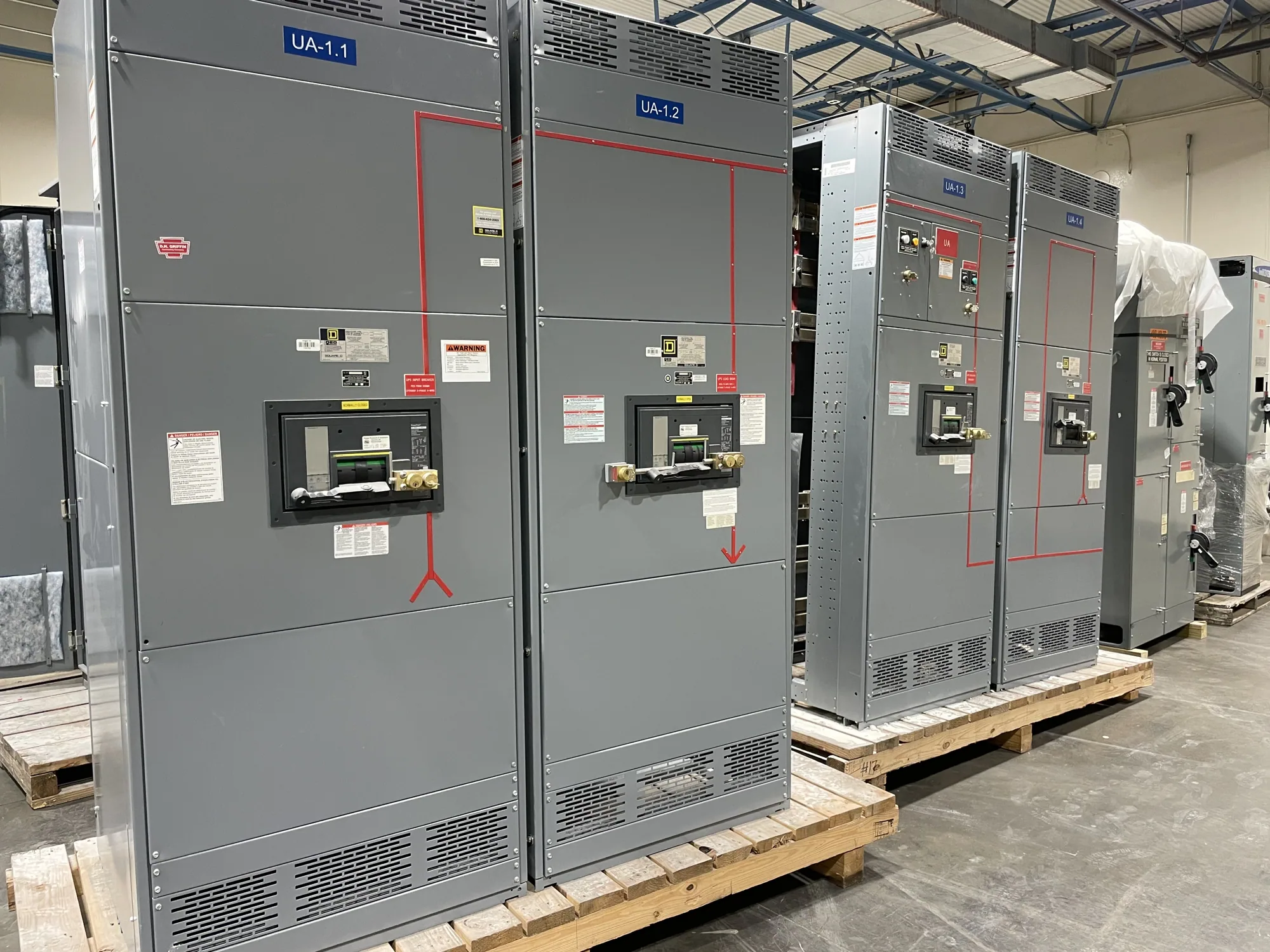
Low-voltage switchgear or switchboards may be relevant at a facility distribution interface, but neither is automatically required for every chemical process application. Selection depends on system voltage, load and fault requirements, functional arrangement, available space, and the project engineer’s design. Confirm the intended product category and scope early so that specifications, drawings, and quotations describe the same equipment.
Placement deserves equal attention. The design team should review access, egress, maintenance clearances, exposure to process hazards, and whether a proposed location must meet classified-area requirements. Locating electrical equipment outside an unsuitable area may be a design option, but feasibility depends on circuit routing, environmental conditions, operational access, and the site layout. Provide the manufacturer with the specified indoor or outdoor conditions and other relevant environmental requirements; do not assume a general-purpose enclosure fits the installation.
Give suppliers coordinated, reviewable information
For a useful equipment inquiry, provide the single-line diagram, equipment schedule, system voltage and available project ratings, load information, protective-device requirements, connection details, and applicable drawings or specifications. Identify the intended location, environmental conditions, access constraints, and any classified-area boundaries that affect the equipment scope. State which details are confirmed and which remain subject to engineering review.
Also identify the project’s submittal expectations, required review participants, interface responsibilities, and target delivery sequence. The owner, engineer, electrical contractor, and equipment supplier should resolve open items through the project’s documented review process. South Carolina Switchgear Builders manufactures new equipment to specification, with US-built construction and all-American components; configuration, applicable listing, testing, availability, and delivery dates must be confirmed for the actual design and order.
Plan procurement around verification and work practices
Before release, check that the approved equipment documents align with the study assumptions, one-line diagram, protection scheme, and site conditions. Confirm any required ratings, construction details, testing scope, and listing applicability against the specific assembly and project specification. For eligible low-voltage switchboards, UL 891 applicability and assembly listing must be verified for the design; it does not apply to medium-voltage switchgear.
Close the planning cycle by assigning responsibility for study updates, setting control, equipment document review, and site safety procedures. Installation, testing, operation, and maintenance should be performed by qualified personnel under applicable procedures; equipment procurement cannot replace those safeguards. When the facility team supplies clear system data and resolves interfaces early, the selected equipment can be evaluated as part of a coherent safety program—one that is maintained as process and electrical conditions change.