Start with the facility environment — Enclosure Ratings for Chemical Processing Facilities
Chemical processing facilities can combine process distribution, motor loads, utility interfaces, and control systems in areas with very different environmental conditions. A switchgear room may be clean and controlled, while nearby spaces face washdown, dust, corrosive vapors, outdoor weather, or temperature changes. There is no single enclosure rating that suits every location in a plant.
Begin by mapping the proposed equipment location to the actual surroundings and operating conditions. Identify whether the gear will be indoors or outdoors, exposed to rain or hose-directed water, near corrosive agents, or subject to dust or condensation. Record normal and foreseeable conditions, not just the environment observed during a walkthrough. The responsible engineer should establish design assumptions and resolve uncertain exposure conditions.
Separate enclosure selection from hazardous-area classification
An enclosure rating describes protection against specified environmental conditions; it does not, by itself, establish that equipment is suitable for a classified hazardous location. Chemical processes may involve flammable gases, vapors, combustible dust, or other hazards, but classification depends on the process and the applicable assessment. Obtain the area classification and boundaries from the responsible project professionals rather than inferring them from the industry or a room name.
Where a proposed location is classified or otherwise unsuitable for ordinary equipment, consider whether the electrical equipment can be placed outside that area. The layout must still address cable routing, access, operating needs, and the electrical design. If equipment must remain within a classified area, specify the applicable requirements and have qualified engineering stakeholders confirm that the proposed equipment and installation method are appropriate. An enclosure rating alone is not a substitute for that review.
Match rating and construction to real exposure
Use the applicable NEMA or other specified enclosure-rating system to describe the protection the project requires, and state the environmental exposure that drives the choice. Confirm the meaning and limits of the selected rating with the design team. A rating should not be treated as a general promise of corrosion resistance, chemical compatibility, or suitability for every cleaning method. Those properties can depend on materials, finishes, seals, accessories, and the actual chemical exposure.
Discuss temperature, ventilation, condensation, drainage, and access along with the rating. A more protective enclosure can affect heat dissipation, inspection access, cable entry, and maintenance planning. For outdoor equipment, the specification may need to address weather exposure and installation details; for washdown areas, define the cleaning method and direction of water exposure. Ask the responsible engineer to confirm that the complete proposed assembly—not simply a component—meets the project requirements.
Coordinate protection and equipment placement
Enclosure selection is one part of a coordinated electrical design. Process motors, feeders, transformers, and distribution equipment may have different operating and protection needs. The project engineer should define system voltage, available fault information, protective-device requirements, grounding approach, and coordination objectives for the proposed installation. Do not assume that changing an enclosure rating changes the electrical protection required or resolves a process hazard.
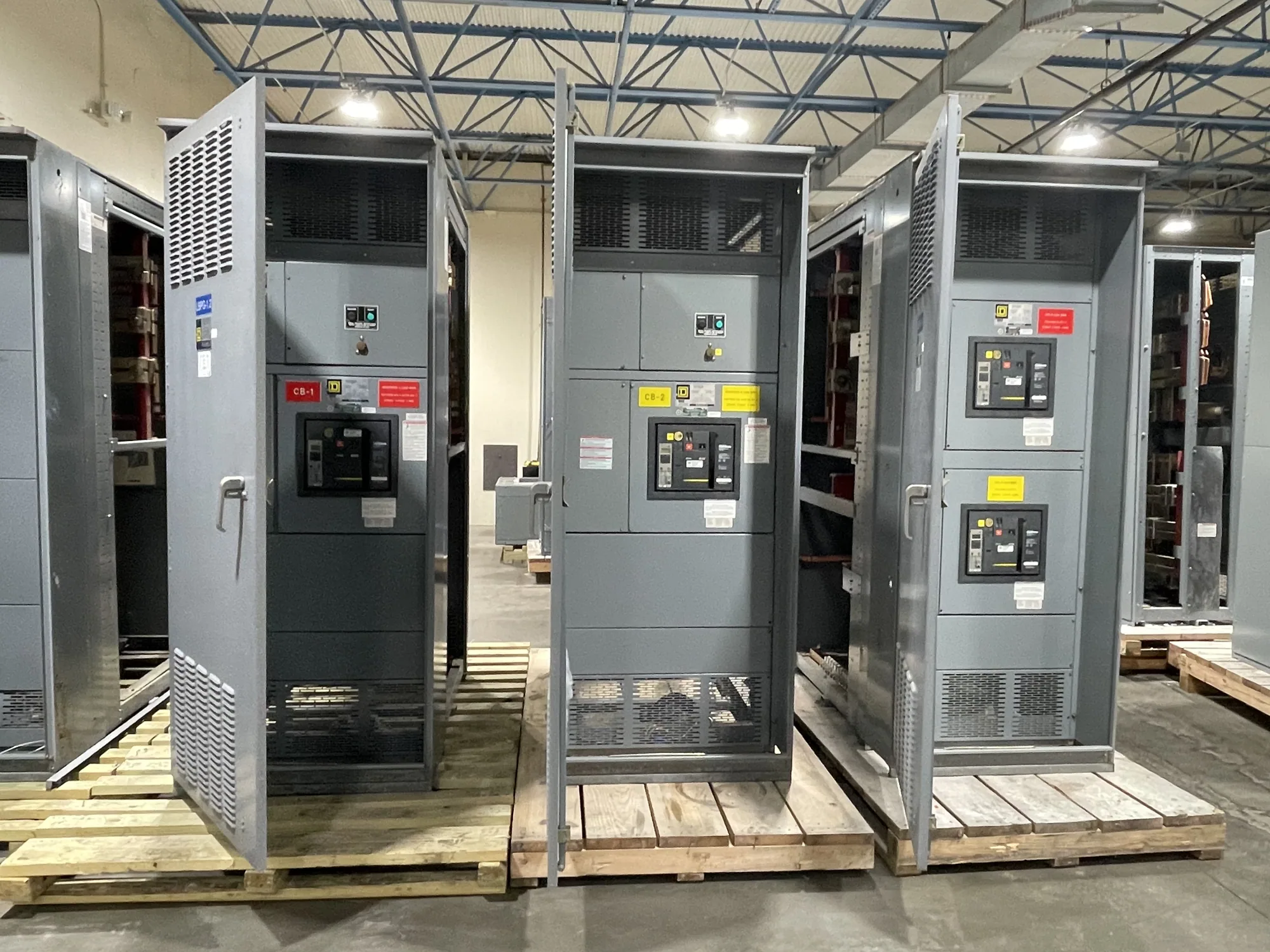
Metal-enclosed switchgear can be one possible interface in a facility distribution plan, but it is not automatically required for every chemical processing application. The required equipment type depends on the system design, operating conditions, and project specification. Evaluate location, working and service access, cable routing, environmental separation, and interaction with upstream and downstream equipment. Qualified personnel should perform installation, testing, and maintenance under applicable safety procedures; equipment should not be approached as a reason to conduct energized work.
Give suppliers a complete project basis
Before requesting a proposal for new equipment, provide the one-line diagram or a clear description of the distribution arrangement, voltage class, system data, and intended equipment function. Include the proposed room or outdoor location, environmental conditions, area-classification documentation where applicable, and the enclosure rating requested. Identify any owner standards, specified codes or standards, operating constraints, and required interface dimensions or cable-entry preferences.
Also state what remains undecided. Mark assumptions about exposure, process chemicals, future expansion, access, and protective coordination so the project team and supplier can identify open items. Ask which design details, ratings, listing or testing requirements apply to the specific assembly and require confirmation against the final specification. For eligible low-voltage switchboards, UL 891 applicability and assembly listing must be verified for the particular design; it does not apply to medium-voltage switchgear.
Use a review checklist before release
For an effective review, confirm the area classification and equipment location with the responsible engineer; document indoor or outdoor exposure, moisture, dust, corrosive agents, cleaning practices, and ambient conditions; and select an enclosure rating based on those conditions. Then review ventilation, access, cable routing, protective coordination, system data, grounding, and interfaces with process and facility systems. Record who owns each unresolved engineering decision.
Finally, align the equipment specification with purchasing and construction stakeholders before issuing the request. Confirm voltage class, equipment scope, drawings and submittals, applicable standards, required documentation, and any inspection or testing expectations. Availability and delivery timing depend on the order and must be confirmed. South Carolina Switchgear Builders manufactures new equipment to specification, with US-built equipment, all-American components, and nationwide shipping; project configuration and timing require order-specific review. A clear, documented environmental basis helps the team compare proposals and move from facility assessment to an equipment design that can be reviewed against the actual site conditions.