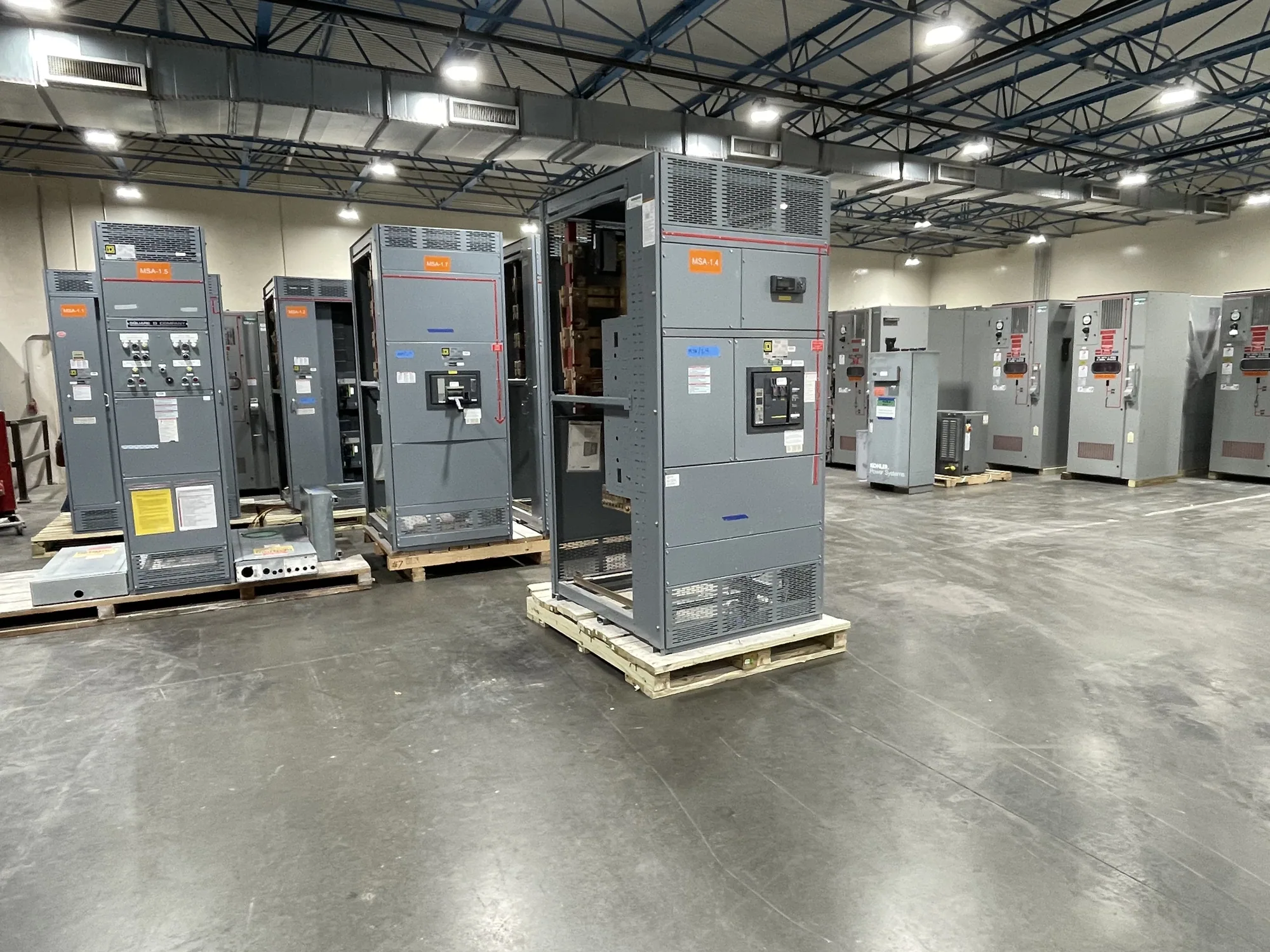
Start with the actual facility and electrical scope
Chemical processing facilities can combine process distribution, large motor loads, utilities, and control systems within a single site. Their electrical equipment may serve production areas, auxiliary buildings, or outdoor installations with very different exposures. Begin by defining the equipment’s role, voltage class, connected loads, and location. Do not assume that one environmental description or equipment rating fits every area.
Identify the owner, responsible electrical engineer, process team, and equipment supplier, then agree on who will provide and approve each design input. If medium-voltage switchgear is being considered, describe its intended interface with transformers, feeders, motor controls, and downstream distribution. It is an example of a possible project component, not a default requirement for every facility. The engineer should establish the system architecture and applicable requirements.
Document environmental conditions by location
Record the expected ambient temperature range, humidity, condensation potential, altitude, airborne contaminants, and exposure to salt or process chemicals for the proposed installation point. Distinguish normal operation from seasonal extremes, washdown, shutdown, and upset conditions. Where site measurements or owner records exist, identify their source and period; where information is uncertain, label it as an assumption for engineering review rather than presenting it as a confirmed design condition.
Describe water exposure precisely. A room subject to occasional leaks differs from an outdoor pad exposed to wind-driven rain, while routine washdown presents a separate design question. Note nearby drains, pipes, doors, louvers, and likely leak paths. Explain whether equipment will be sheltered, conditioned, or exposed directly to the environment. The responsible engineer and manufacturer can then evaluate enclosure and installation requirements against the documented location and specification.
Resolve hazardous-area boundaries before placement
Potentially classified areas require formal evaluation by the project’s qualified personnel; chemical processing alone does not establish a classification or its boundary. Provide the current hazardous-area documentation, process materials and operating context needed by the responsible engineer, and identify any changes that could affect the assessment. Show classified boundaries on coordinated drawings so equipment location is considered alongside the electrical design, not decided from a general facility description.
Where the assessment identifies an unsuitable area for the proposed assembly, evaluate relocation to a suitable electrical room or other approved location. That decision can affect feeder length, voltage drop, routing, fire and process separation, access, and coordination with other systems. Confirm the location with the owner, engineer, and process and safety stakeholders. Do not assume that a particular enclosure or product is appropriate for a classified location without project-specific review.
Coordinate protection, loads, and equipment interfaces
Supply the electrical engineer with available one-line diagrams, source information, transformer data, load schedules, motor starting requirements, and anticipated operating scenarios. Identify critical process loads, standby or alternate sources, and planned expansions. These inputs support evaluation of interrupting and withstand requirements, protection settings, selective coordination, and equipment arrangement. Final ratings and protective-device selections depend on the actual system study and must be confirmed for the project.
For medium-voltage switchgear, clarify the incoming source, outgoing feeder count and purpose, metering and control needs, and interfaces to downstream equipment. For a low-voltage switchboard or another assembly, specify its intended function and required characteristics separately. Do not treat a product category, nominal voltage, or customary plant arrangement as a substitute for the project’s electrical data. The buyer and engineer should resolve interfaces and design assumptions before a quotation is finalized.
Plan space, maintenance, and installation access
Provide room plans, equipment elevations, door and ceiling clearances, cable entry preferences, and the locations of structural supports and adjacent equipment. Show routes from the delivery point to the final position, including turns, thresholds, lifting restrictions, and access-control limits. These details can influence lineup arrangement and shipping configuration. Verify dimensions and handling plans with the project team and supplier; do not rely on an assumed standard room layout.
Maintenance access is part of the site specification. Identify working space, door swing, removable components, cable termination access, ventilation needs, and the path qualified personnel would use for inspection or replacement. Consider water, dust, process emissions, and nearby heat sources that could affect the route or workspace. Installation, inspection, testing, and maintenance must be planned for qualified personnel following applicable safety procedures, with project-specific arrangements confirmed before work begins.
Prepare a useful purchasing and engineering package
A focused RFQ package should include the one-line diagram, equipment schedule, site-condition summary, location drawings, hazardous-area documents where applicable, load and source data, and the owner’s required submittal information. List requested ratings, construction details, accessories, control interfaces, applicable standards, and any required testing as project specifications for review. Ask the supplier to identify exceptions, open questions, and assumptions rather than leaving gaps implicit.
Before release, have the owner, electrical engineer, process and safety representatives, and equipment supplier review the same revision of key documents. Confirm the proposed placement, interfaces, scope boundaries, and delivery requirements; availability and lead times depend on the specific order and must be confirmed. South Carolina Switchgear Builders manufactures new, US-built switchgear and switchboards with all-American components, custom to specification, and ships nationwide. The next step is to provide the project’s verified site and electrical information so the proposed equipment can be evaluated against actual conditions.