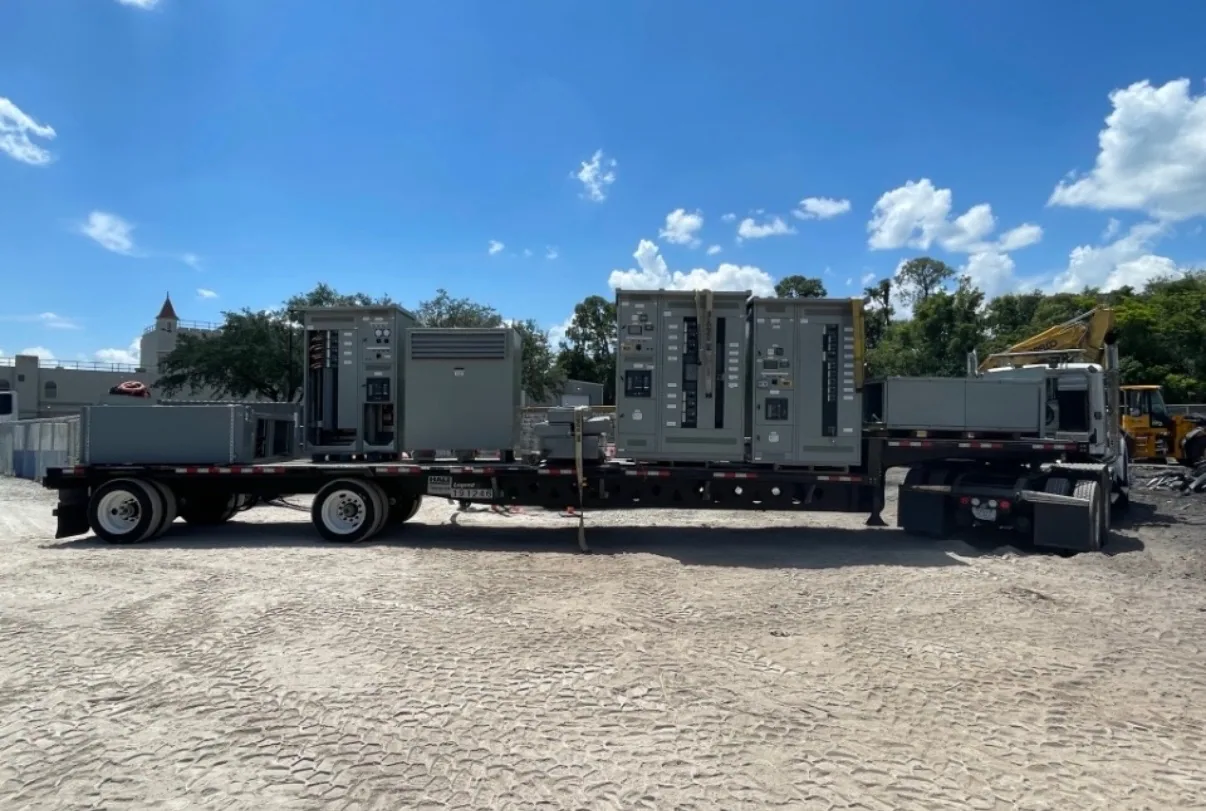
Start with the facility system, not a single cabinet
Short-circuit ratings for a chemical processing facility are part of a system-wide engineering decision. A representative project may include utility service, transformers, process distribution, motor loads and multiple downstream panels or assemblies. Conditions vary from one facility to another, so the responsible engineer must establish the system configuration and calculate available fault current at the points where equipment will be installed.
Equipment selection also depends on the installation environment. A facility may have areas with specific hazards or access limitations, but those conditions do not establish a rating by themselves. The project team should determine where electrical equipment may be located, what construction and protective measures apply, and whether equipment placement outside a particular area is appropriate. Keep these decisions connected to the facility hazard assessment and approved design.
Relate available fault current to equipment ratings
Available fault current is not necessarily the same at every distribution point. It depends on the source and system configuration, including transformer characteristics, conductor paths and other project-specific inputs. The engineer's study should identify the value used for each relevant location and document its assumptions. Changes to the service, transformer, feeder length or operating arrangement can affect the result, so revisions require the design team to check whether earlier equipment selections remain suitable.
For each proposed assembly, compare the calculated available fault current with the ratings and conditions established for that exact equipment configuration. Interrupting capacity concerns a device's ability to interrupt fault current under its applicable conditions. An assembly's short-circuit current or withstand rating addresses the assembly as specified; it is not interchangeable with a protective device's rating. The responsible engineer and supplier should confirm the applicable rating terminology and design basis rather than treating a single number as sufficient evidence of suitability.
Coordinate protection across process distribution
Protective coordination is a system consideration: the design team evaluates how protective devices are intended to respond to faults at different points. The goal and acceptable tradeoffs depend on the process, system design and owner criteria. A chemical process may include motors and interconnected loads, but their presence alone does not determine a coordination method. Relay and overcurrent-device selection should follow the project's study, operating requirements and review by qualified electrical professionals.
Equipment ratings and protective-device selections must be considered together, while keeping their distinct functions clear. Ask the engineer which study results and device assumptions govern each equipment position, what operating configurations were considered, and whether any proposed changes require a revised coordination review. Do not infer that a rating or device arrangement is appropriate simply because it appears on a similar facility. The final specification must reflect this project's calculated conditions and approved protection strategy.
Consider location, voltage class and equipment type
Low-voltage switchgear may be one interface in a facility's distribution plan, not a universal answer for every chemical processing project. For a proposed low-voltage assembly, specify the system voltage class and the exact configuration being evaluated. A 480 V class assembly is low voltage; medium-voltage equipment belongs to a different class and requires its own project-specific specification. Do not apply a switchboard standard or rating assumption to switchgear without confirming that it fits the actual equipment.
Placement decisions should account for the approved electrical design and site conditions. If equipment is proposed outside an area with unsuitable conditions, the drawings and specification should identify its intended location and interfaces with process loads. The project team should verify environmental requirements, access, routing and any separation or enclosure details applicable to the design. These are project questions, not assumptions a supplier can resolve without the owner's and engineer's information.
Provide the engineering basis in the RFQ
For a useful new-equipment request, provide the one-line diagram, system voltage, equipment location, calculated available fault current at the connection point, and the study basis or assumptions approved for procurement. Identify source and transformer information available to the project team, operating configurations under consideration, feeder interfaces, and the protective-device requirements established by the engineer. Mark preliminary information clearly; unresolved values should be identified for confirmation, not silently converted into supplier assumptions.
Also identify the requested equipment type, arrangement, incoming and outgoing connections, process loads served, environmental conditions and required documentation. State which applicable standards and project specifications govern, and ask whether any listing or assembly-rating requirement applies to the exact design. UL 891 can apply to eligible low-voltage switchboards; its applicability and assembly listing must be verified for the specific design. It does not establish a general requirement for all switchgear.
Review tradeoffs and coordinate the order
Before release, have the owner, engineer, procurement team and equipment supplier reconcile the design basis, ratings, protective-device interfaces, physical arrangement and outstanding assumptions. Clarify who will provide final fault-current and coordination information, which changes trigger re-review, and what submittals are needed for approval. If procurement proceeds from preliminary data, record the limits of that basis and establish how final engineering values will be checked against the proposed equipment.
South Carolina Switchgear Builders manufactures new switchgear and switchboards to specification, with US-built equipment and all-American components, and ships nationwide. Availability and actual lead times depend on the order and must be confirmed. Request a project-specific review using the current drawings and engineering inputs; confirm the proposed configuration, ratings, listing applicability, testing requirements and delivery schedule against the actual specification before purchase. Installation, testing and maintenance belong to qualified personnel following applicable safety procedures.