Start with the facility’s electrical system — Voltage Ratings for Chemical Processing Facilities
Chemical processing facilities may combine utility service, transformers, process distribution, motor loads, controls, and backup sources. Voltage selection begins with the actual system—not a generic industry assumption. The owner and responsible electrical engineer should identify nominal system voltage, configuration, grounding method, available sources, and how normal and alternate operating modes affect distribution equipment.
Process motors can represent substantial loads, but they do not alone determine the voltage class of every assembly. A facility may distribute power at more than one voltage, with equipment serving different portions of the system. A new switchboard or switchgear lineup must be specified for the connection point it will serve. Verify the intended role and interfaces before comparing equipment proposals.
Distinguish nominal voltage from equipment rating
Nominal system voltage describes the electrical system’s designation; equipment ratings and insulation characteristics must suit the system conditions and applicable requirements. The engineer should confirm the equipment’s rated voltage and maximum voltage as applicable to its design, along with the system configuration and grounding assumptions. Do not select solely by matching a familiar number on a single-line diagram.
Voltage class also matters. A 480 V class assembly is low voltage, while 5 kV and 15 kV class equipment are medium voltage. These are distinct product categories, not interchangeable descriptions. The proper choice depends on the actual point of connection and project specification. Ask the engineer to resolve voltage, frequency, phases, grounding, and any operating variations before requesting a manufacturer’s configuration.
Coordinate hazard assessment and equipment location
Chemical processes can involve areas with specific hazard classifications, but classification depends on the materials, process conditions, and governing project assessment. Do not assume that every room or outdoor process area has the same designation. The owner’s hazardous-area documentation and the responsible design professionals should identify the applicable boundaries and equipment requirements.
Distribution equipment placement is part of that design. Where an area is unsuitable for a proposed assembly, the project team may evaluate locating the equipment outside the classified or otherwise restricted area and coordinating feeders, raceways, and interfaces accordingly. This is not a substitute for hazard assessment: location, enclosure, installation method, and equipment suitability must be reviewed against the actual site conditions and applicable requirements.
Consider insulation and protective coordination together
Voltage selection connects to insulation coordination and protection, not just the equipment label. Ask the engineer to assess the system’s grounding, switching conditions, transient exposure, connected loads, and protective-device scheme as relevant to the design. The equipment supplier needs the resulting specifications to configure a suitable assembly; the supplier should not be asked to infer the facility design from a voltage figure alone.
Protective coordination also depends on fault-current information, device characteristics, and the project’s operating objectives. Voltage rating does not establish short-circuit capability or coordination by itself. Confirm the required ratings and any study assumptions with the responsible engineer, then provide the applicable documentation for equipment review. Changes to transformers, sources, or distribution topology can affect design decisions and should be communicated before approval.
Match equipment to its point of use
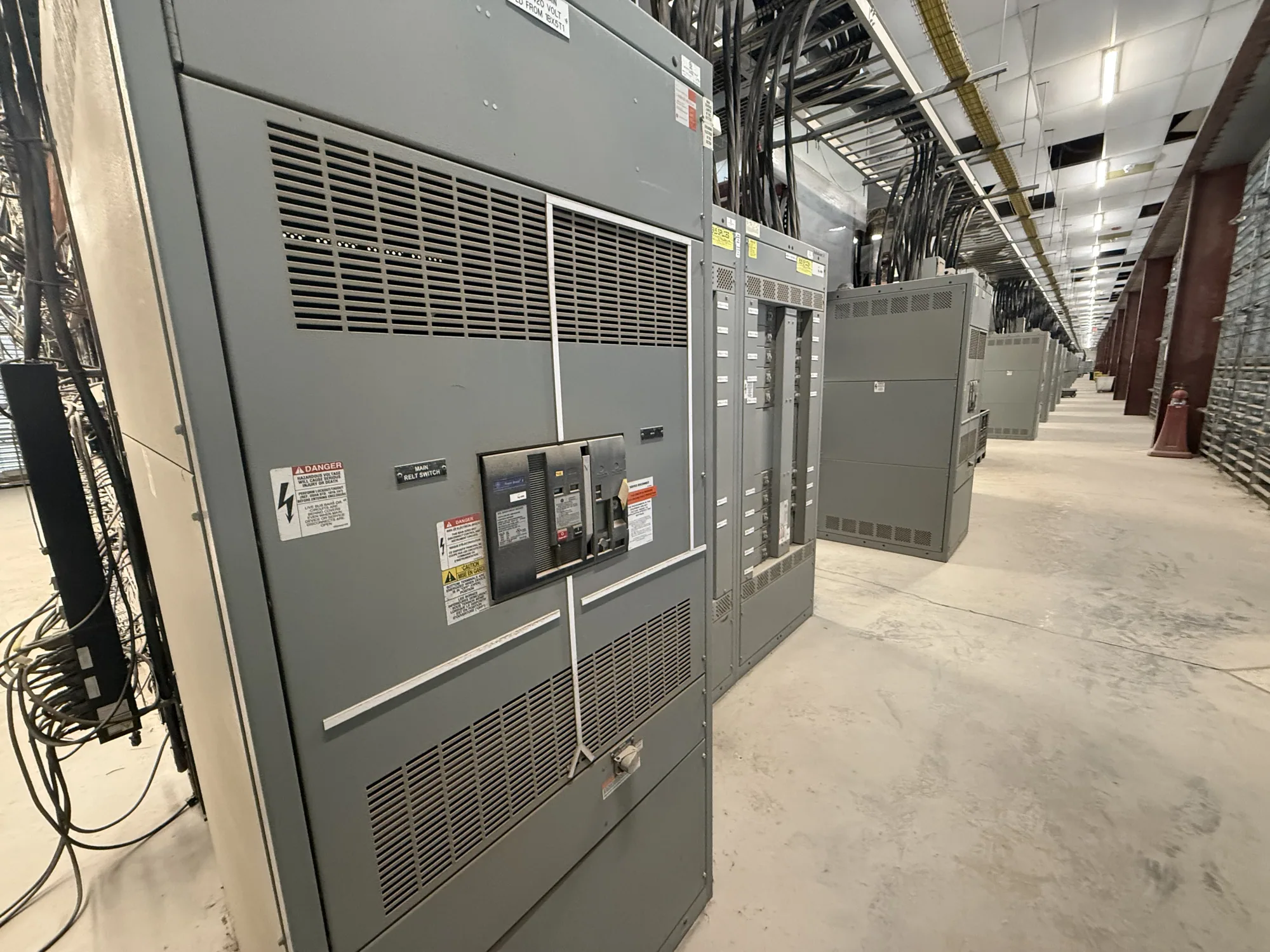
Low-voltage switchgear may be one interface in a chemical facility’s distribution system, but it is not automatically required for every project. Depending on the system and specified function, a project could call for a switchboard or another distribution assembly instead. Compare equipment by its defined application, voltage class, ratings, construction, and interfaces rather than by product name alone.
For eligible low-voltage switchboards, UL 891 may be relevant; applicability and any assembly listing must be verified for the specific design. Do not extend that standard to medium-voltage switchgear or assume every assembly is listed. The project specification should identify required standards, listing expectations, and documentation, with the design team and manufacturer confirming what applies to the supplied configuration.
Give the manufacturer complete project inputs
A useful request for quotation includes the latest single-line diagram, nominal voltage and system configuration, grounding details, source information, load and feeder schedules, and the equipment’s intended function. Include available fault-current or study data when established, the required ratings, environmental conditions, area-classification drawings, and any installation constraints. Mark unresolved items as open questions instead of presenting assumptions as approved design criteria.
Also identify interfaces with transformers, motors, control systems, protective devices, and other equipment, along with project standards and required submittals. State the requested delivery window, shipping destination, and review milestones, understanding that availability and actual lead times depend on the order and must be confirmed. South Carolina Switchgear Builders manufactures new US-built equipment with all-American components, custom to specification, and ships nationwide.
Use a coordinated review before release
Before approving a proposal or releasing equipment for manufacture, have the owner, engineer, and relevant contractors verify that the specified voltage class and configuration match the current design. Review exceptions, drawings, ratings, area boundaries, and interfaces together. Confirm project-specific standards, testing, listing, and delivery details in the actual submittal rather than relying on general descriptions.
For a clear next step, assemble the electrical and hazard-assessment documents, identify the exact distribution point, and send the manufacturer the approved requirements and remaining questions. Qualified personnel should handle installation, testing, and maintenance under applicable safety procedures. This coordinated process helps keep equipment selection grounded in the facility’s real electrical system and operating environment.