Scope: ratings must fit the whole data center system
A data center’s short-circuit rating decisions begin with the electrical system, not a single switchgear lineup. Utility service, transformers, generators, uninterruptible power systems, busway, and distribution equipment may each shape fault-current conditions at different points. The responsible engineer establishes the system model and evaluates the available fault current where equipment will connect.
High-density IT loads, cooling equipment, and redundancy arrangements affect how a facility is planned and operated, but they do not by themselves determine a suitable rating. The design must account for the actual sources, impedances, operating configurations, and protective devices specified for the project. Ratings and applicability require confirmation against the equipment’s exact design and project requirements.
Distinguish interrupting capacity from assembly withstand
Short-circuit discussions can involve related but different equipment capabilities. A protective device’s interrupting rating concerns its ability to interrupt a specified fault current under its rated conditions. An assembly’s short-circuit current or withstand rating concerns the assembly’s ability to withstand fault effects for the applicable time and conditions. The engineer must verify both where relevant; one value does not automatically establish the other.
Available fault current can vary across the distribution system. A service entrance and a downstream panel may have different calculated values because of transformer and conductor impedance, among other design inputs. For each proposed connection, compare the calculated fault-current conditions with the applicable equipment and protective-device ratings. Do not use one facility-wide number as a substitute for point-by-point engineering review.
Coordinate sources and operating configurations
Source coordination matters when a data center has multiple supply paths or backup sources. Utility-only operation, generator operation, transfer arrangements, and other project-defined configurations may produce different system conditions. The engineer should identify which sources can operate together, how switching changes the topology, and which cases govern each equipment location. Suppliers need the approved assumptions, not an informal description such as “redundant power.”
Protective-device coordination also influences equipment selection. The project team should review device settings and clearing times alongside the assembly’s applicable withstand capability and the system study. Changes to transformer characteristics, generator data, protective devices, or distribution layout can affect the analysis. Confirm how design revisions will be communicated and whether affected equipment selections or documents need to be updated.
Plan for phased capacity without losing the design basis
Some facilities are built or expanded in stages. A future source, additional transformer, or changed distribution path could alter available fault current, so the engineer should state which present and future configurations are included in the design basis. Ask whether a planned phase changes the calculated conditions at existing equipment, and document any assumptions that remain subject to later study.
Phasing can create a tradeoff between selecting equipment for the documented initial design and accommodating a defined future configuration. A higher rating is not a substitute for a complete study, nor does it establish that all other assembly requirements are satisfied. The responsible engineer should define the intended operating cases and confirm that the selected equipment is appropriate for them before procurement.
Monitoring and maintainability are related design concerns
Monitoring can help operators understand system status, but monitoring features do not determine short-circuit capability. Project teams should separately specify the measurements, communications interfaces, alarms, and integration requirements they need, then verify that the proposed equipment supports them. Keep these functional requirements distinct from fault-current calculations so that neither is overlooked during design review.
Maintainability also benefits from early coordination. Consider access, isolation procedures, equipment arrangement, and the planned approach to inspection or replacement in the context of the facility design. Installation, testing, and maintenance must be performed by qualified personnel following applicable safety procedures; no design assumption should depend on energized work. Confirm that equipment documentation supports the project’s approved operating and maintenance plans.
Give equipment suppliers coordinated, specific inputs
For a new equipment quotation, provide the relevant one-line diagram, nominal system details, source and transformer data, calculated available fault current at the connection point, protective-device information, and the study’s operating cases. Identify the required equipment type and voltage class, as well as configuration, enclosure, incoming and outgoing connections, and any project-specific controls or monitoring needs. Mark preliminary values clearly and identify who will confirm them.
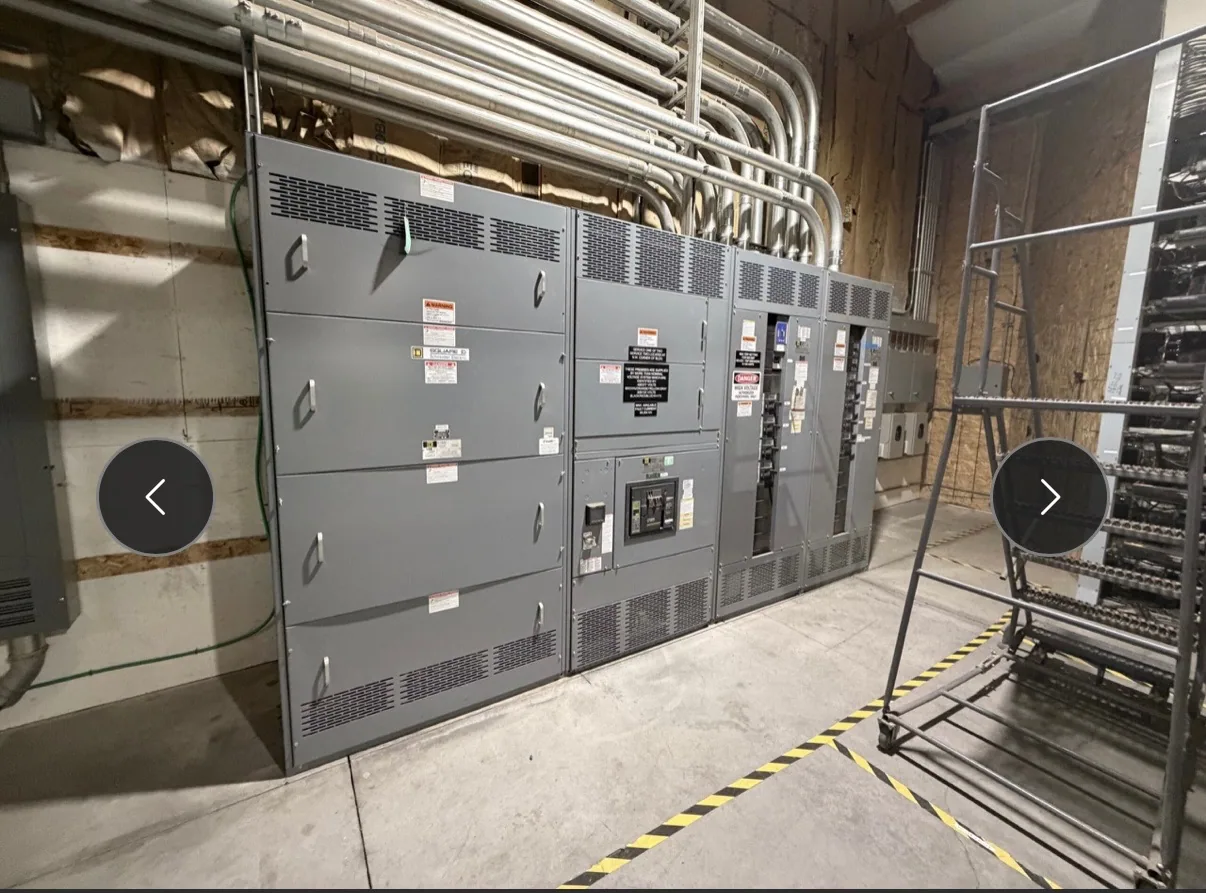
Low-voltage switchgear may be one interface in a data center distribution design, but it is not automatically required for every project. If it is under consideration, the project engineer should define its role, boundaries, and ratings from the system design. A manufacturer can configure new equipment to specification, but cannot replace the engineer’s responsibility to establish fault-current conditions or approve the protection scheme.
Use a project checklist before release
Before procurement, align the owner, electrical engineer, commissioning stakeholders, and equipment supplier on the design basis. Confirm the system study revision, source combinations, future phases, connection-point fault current, device interrupting requirements, assembly withstand needs, and applicable standards. Ask the responsible engineer to resolve open assumptions and review the final submittal against the approved design, including any specified listing or testing requirements.
For a quotation, send the current drawings and specifications with requested delivery timing and identify decision dates, review responsibilities, and expected document milestones. Availability and lead times depend on the order and must be confirmed; delivery dates, ratings, testing, and standards are project-specific. Clear, coordinated inputs let the manufacturer evaluate the requested new equipment and help the project team carry a consistent engineering basis from planning through procurement.