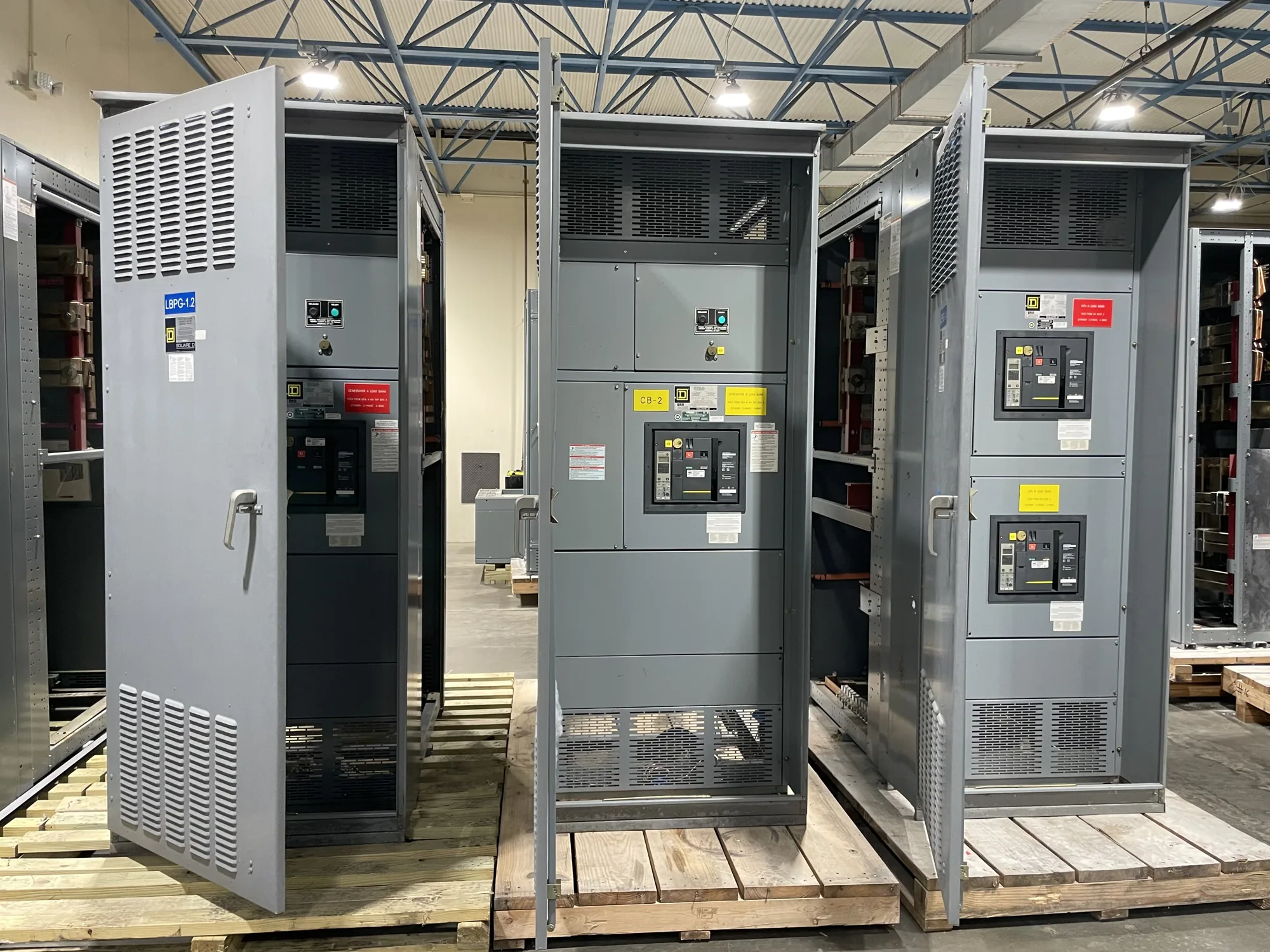
Start with the actual facility environment — Enclosure Ratings for Food and Beverage Facilities
Food and beverage plants can place electrical equipment in very different surroundings. A process motor may sit near a wet production line, refrigeration equipment may operate in a cold or humid area, and packaging controls may be located in a comparatively dry space. Enclosure selection should follow the equipment’s actual location and exposure, not the industry label alone.
Map conditions by room and equipment position before specifying a rating. Note routine washdown boundaries, cleaning methods, humidity, condensation risk, temperature changes, airborne dust, corrosive agents, and possible impacts. Include the expected cleaning frequency and whether water reaches the equipment directly, indirectly, or not at all. The facility owner and responsible engineer should confirm the exposure assumptions.
Understand what an enclosure rating addresses
NEMA enclosure types and other applicable rating systems describe protection under defined conditions; they are not interchangeable labels for “food grade” or “sanitary.” The appropriate type depends on the hazards the enclosure must address and the governing project specification. Confirm the rating’s scope, installation orientation, entry methods, and any limitations with the responsible engineer and equipment supplier.
An enclosure rating does not by itself establish that an assembly is suitable for every cleaning chemical, temperature cycle, or sanitation practice. Nor does a washdown-oriented enclosure automatically satisfy the facility’s hygienic design expectations. Review the complete equipment arrangement, including doors, seams, gaskets, operator devices, conduit entries, and field-installed accessories. Ask how the proposed configuration is intended to handle the documented exposure.
Separate equipment zones and functions
Different parts of a facility may need different solutions. A switchboard located in a controlled electrical room may face less direct moisture than a motor-control enclosure beside a processing line. Conversely, a nominally indoor location can still experience condensation, hose spray, chemical vapor, or dust. Evaluate each installation point rather than extending one rating across the entire plant without checking conditions.
Consider access and operation alongside exposure. Operators may need to read indicators, use controls, or isolate equipment, while maintenance staff require safe working clearances and a practical route for inspection. Door swing, mounting height, cable entry, ventilation needs, and nearby piping can affect the final arrangement. Qualified personnel should perform installation, testing, and maintenance under applicable safety procedures; enclosure selection is not a substitute for those procedures.
Coordinate sanitation and electrical interfaces
Sanitation teams can clarify where spray is directed, which cleaning agents are used, and what surfaces or joints create maintenance concerns. Electrical and process engineers can translate those conditions into equipment requirements, including the desired enclosure type and placement. Discuss whether barriers, remote mounting, or a different equipment location could reduce exposure while preserving access and process function.
For example, an electrical switchboard may serve distribution loads from a protected room rather than sit beside a washdown line. That arrangement is only an option to evaluate, not a universal requirement. The project team should confirm feeder routes, room conditions, access, coordination with other systems, and the equipment’s specified ratings. If equipment must be near production, describe the exposure precisely so the supplier can review the proposed configuration.
Balance protection, operation, and continuity
A more protective enclosure may affect dimensions, access, heat management, cable entry, and maintainability. Those tradeoffs depend on the design and operating environment, so avoid selecting a rating solely by choosing the highest-sounding designation. Confirm that the specified enclosure and complete assembly can accommodate the required electrical components and operating conditions, with any design-dependent limitations documented.
Continuity planning also benefits from clear placement and exposure decisions. Ask whether routine cleaning could interrupt access, whether inspection points remain reachable, and how equipment isolation fits the facility’s maintenance plan. These are project questions for the owner and qualified design team, not guarantees that a particular enclosure prevents downtime. Review the operating plan together with the electrical design before equipment configuration is finalized.
Information to provide for equipment planning
When requesting new equipment, provide the one-line diagram or relevant distribution information, load and voltage requirements, fault-current and coordination data when established, and the intended installation location. Identify indoor or outdoor conditions, cleaning practices, moisture exposure, ambient conditions, mounting and access constraints, cable-entry preferences, and required control or metering features. Mark assumptions clearly and identify who will approve them.
Also state the applicable project standards and any required listing or testing expectations for the specific equipment. These requirements must be checked against the actual design and assembly; they should not be assumed from an enclosure type alone. South Carolina Switchgear Builders manufactures new equipment to specification, with US-built, all-American components and nationwide shipping. Availability and lead times depend on the order and must be confirmed.
Use a review checklist before release
Before procurement, have the owner, electrical engineer, operations, sanitation, and equipment supplier review the location-by-location exposure map. Confirm the enclosure rating basis, cleaning and chemical assumptions, access and service needs, equipment function, cable interfaces, applicable standards, and any listing or testing requirements. Resolve open questions in the project documents rather than relying on an informal interpretation of a rating label.
Finally, verify that the approved equipment drawings and specification reflect the intended installation and that delivery coordination matches the project schedule. Ratings, configuration, availability, and delivery dates require confirmation for the actual order. A careful review connects sanitation realities with electrical design, giving the supplier the information needed to propose new equipment for the facility’s documented conditions.