Start with the facility and its operating patterns
A hospitality electrical system may serve guest rooms, kitchens, laundry, pools, conference areas, elevators, site lighting, and central mechanical equipment. Each property has a different combination of spaces and operating schedules. Before applying a code or selecting equipment, the owner and project engineer should define which buildings and loads are in scope, how they are supplied, and which functions must remain available during an outage.
Seasonality can make demand assumptions less straightforward than a single annual peak. A resort may experience different occupancy, cooling, heating, food service, or event loads across the year. The responsible engineer should document the load study assumptions and identify whether future additions, phased construction, or temporary operating arrangements affect the equipment design. Do not size a new assembly from a general description of the property alone.
Identify the rules that apply to this project
Applicable requirements may come from adopted electrical and building codes, equipment standards, utility service rules, the project specification, and the authority having jurisdiction. Which editions apply can depend on the project location, permit timing, scope, and local adoption. The engineer and code officials should establish the governing requirements; a supplier should not infer them from the hospitality use alone.
Separate installation requirements from product and assembly requirements. The adopted code governs aspects of the installation, while a product standard may address a particular equipment category. For example, UL 891 applies to eligible low-voltage switchboards, but applicability and listing of the specific assembly must be confirmed against its design and documentation. Do not extend that standard to medium-voltage switchgear or assume every switchboard configuration is listed.
Translate loads and continuity needs into specifications
Ask the engineer to identify the actual system voltage class, service configuration, available fault-current information, protective-device requirements, and any required metering or control interfaces. The equipment specification should state which loads are essential, whether alternate sources or transfer equipment are in scope, and how the proposed distribution arrangement relates to those functions. These are project decisions, not universal features of hotels or resorts.
Outage timing also matters. A planned shutdown may need to fit between guest turnover, event schedules, or seasonal operations, but the purchasing specification should not promise that a particular assembly eliminates outages. Coordinate the equipment scope, installation sequence, commissioning plan, and any temporary arrangements with the owner, engineer, contractor, utility, and applicable authorities. Qualified personnel must perform installation, testing, and maintenance under applicable safety procedures.
Account for the actual environment
Environmental requirements should reflect the equipment's intended location, not a broad label such as coastal or resort. Confirm whether it will be indoors or outdoors, exposed to moisture, salt-bearing air, dust, cleaning processes, temperature variation, or other site conditions. The project team should define any enclosure, material, finish, or installation requirements and verify that the selected design is suitable for them.
For coastal properties, do not assume that every electrical room faces the same exposure. Indoor placement, ventilation, proximity to the shoreline, and building envelope conditions may affect the specification. Provide the supplier with the location and environmental criteria established by the engineer, and ask which design details are available for that application. Availability, ratings, listing, and environmental suitability all require confirmation for the actual equipment.
Coordinate the equipment interface
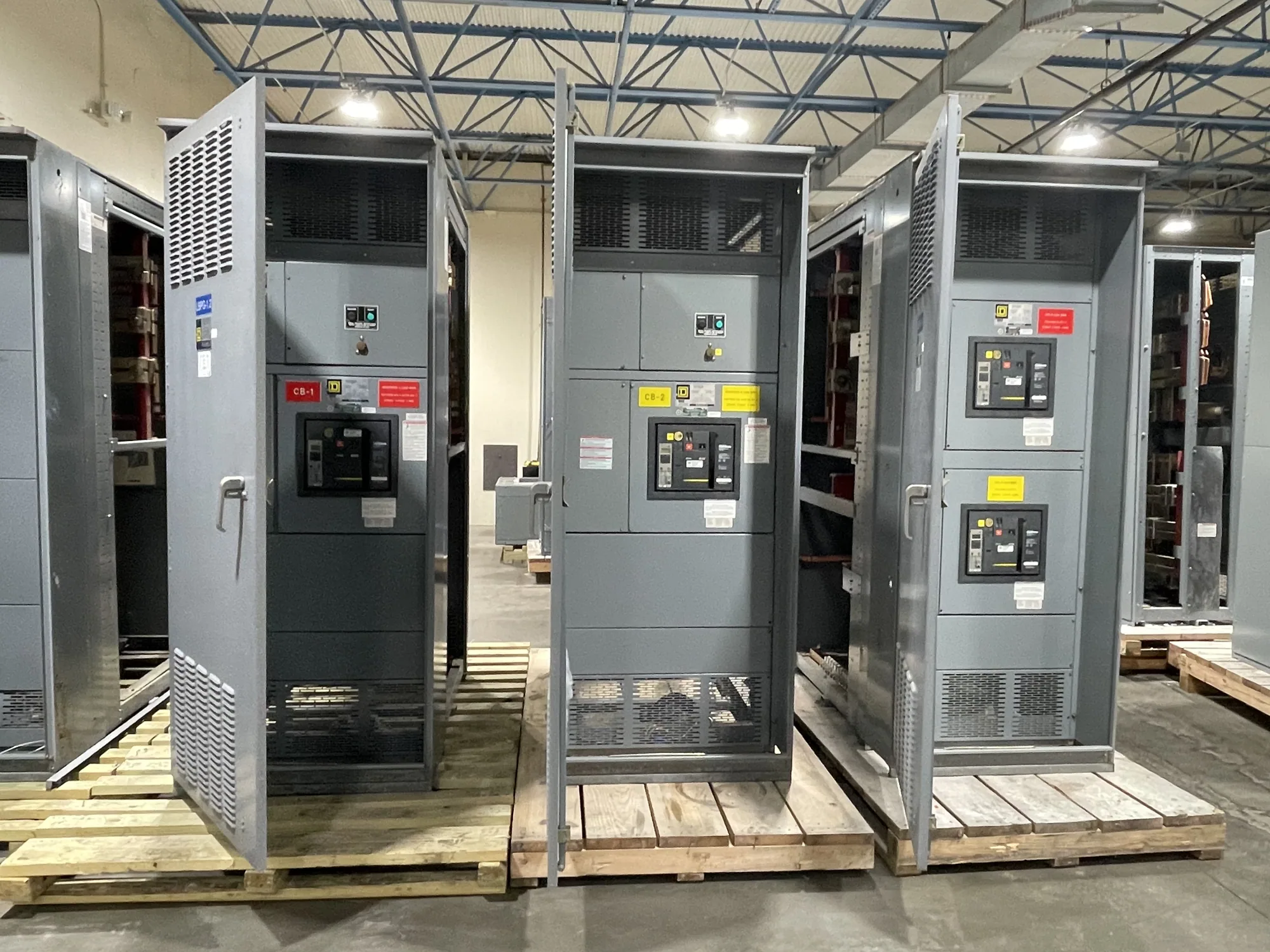
Electrical switchboards are one possible interface in a low-voltage distribution design, not a required solution for every hospitality project. The engineer should determine whether a switchboard, switchgear, or another arrangement fits the system and project scope. Where a new switchboard is specified, furnish its one-line diagram, connected loads, source information, required sections, protection and metering needs, and relevant room constraints for review.
Resolve boundaries between the equipment supplier and other project participants early. Confirm who provides upstream protection data, utility coordination, cable entry details, control wiring, and field connections. Also identify the documents needed for design review and submittals. South Carolina Switchgear Builders manufactures new equipment to specification, is US-built with all-American components, and ships nationwide. Configuration, applicable standards, availability, and lead time must be confirmed for the order.
Prepare a useful project review checklist
Before requesting a proposal, assemble the project location and schedule, adopted code and standard editions as established by the project team, one-line diagram, load information, voltage class, fault-current data, environmental conditions, and any required operating sequence. Include drawings or dimensions for the equipment space and explain access, cable routing, phased construction, and shutdown constraints that could affect the design or delivery coordination.
Ask the engineer, owner, contractor, utility, and authority having jurisdiction to review their respective requirements before the equipment specification is finalized. Record unresolved assumptions rather than treating them as settled ratings or code obligations. A complete, coordinated request helps the manufacturer evaluate the intended configuration and identify questions early. Confirm the final equipment documents, design suitability, standards applicability, and schedule against the approved project specification before proceeding with procurement.