Why continuous current ratings matter in hospitality
Hotels, resorts, and mixed-use hospitality properties can serve guest rooms, kitchens, laundry, pools, conference spaces, retail areas, and central mechanical systems from interconnected electrical distribution equipment. Their demand may change with occupancy, season, events, and weather. Continuous current ratings help define the current equipment can carry under stated conditions; they are not a substitute for a complete load study or coordinated system design.
Begin with the facility and the equipment boundary under consideration. A project may involve a service switchboard, distribution switchboards, or other switchgear, but the appropriate equipment depends on the one-line diagram and engineering requirements. For each assembly, establish which loads it serves, expected operating modes, and the conditions that govern its rating. Keep normal continuous operation distinct from short-duration or emergency scenarios.
Build a defensible seasonal load picture
Guest occupancy alone does not define electrical demand. A busy season could coincide with greater cooling, kitchen, laundry, pool, or event loads, while another period may have different heating or ventilation needs. Ask the engineer to document operating schedules, demand assumptions, diversity, expansion plans, and any load-management controls. Where available and appropriate, historical measurements can inform assumptions, but their time period and operating context should be recorded.
Separate connected load from the expected current in normal operation. Identify which loads can run at the same time, which cycle intermittently, and which operate only during a defined mode. Include planned changes such as added guest capacity, renovated kitchens, new amenities, or electric equipment. The responsible engineer should determine applicable demand calculations and required design margins rather than relying on a generic percentage or a single peak snapshot.
Understand what the rating covers
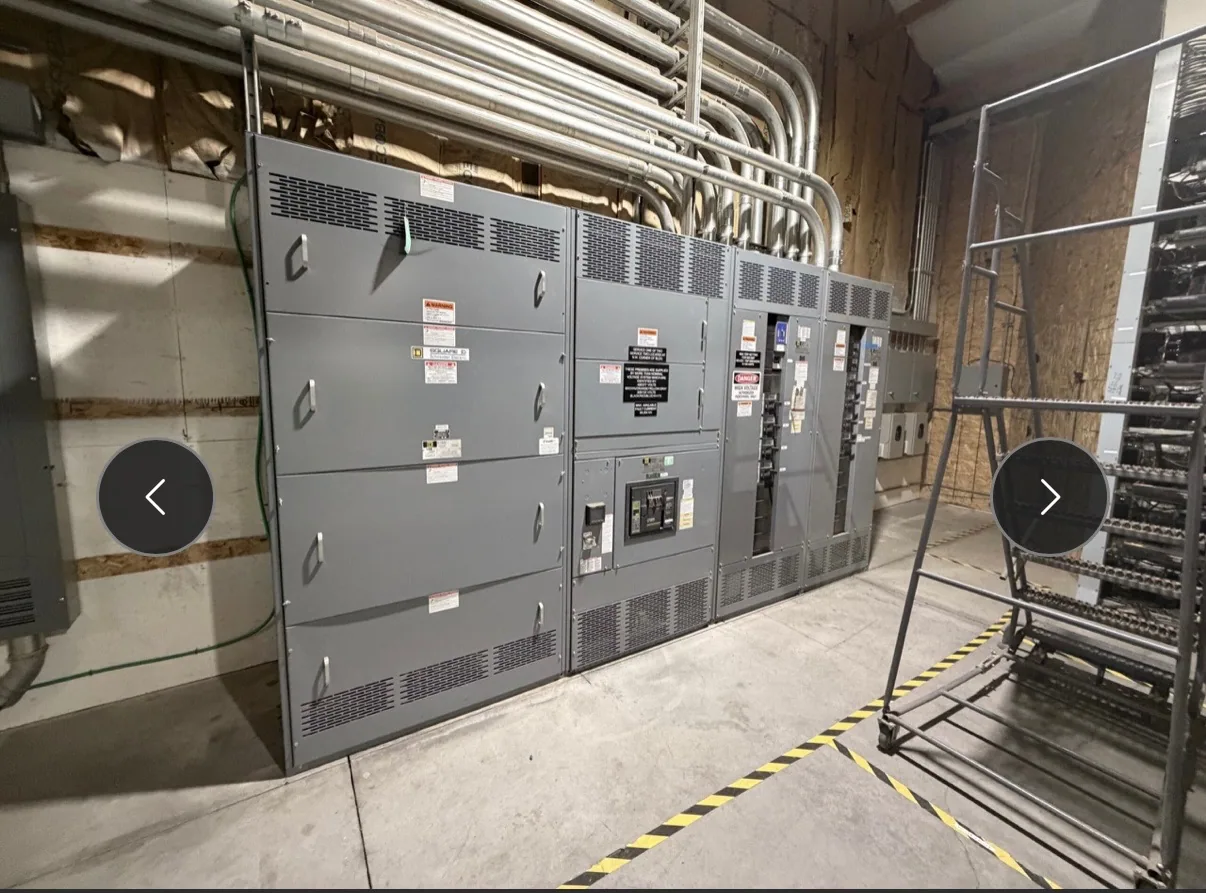
Continuous current capability must be evaluated for the equipment assembly and its relevant components. Bus ratings and the ratings of installed devices are related but not interchangeable; the equipment specification should identify the intended rating basis and configuration. Confirm that the complete assembly, including its arrangement and any specified devices, suits the documented load and operating conditions. Do not assume one component rating establishes the capability of the entire lineup.
Ambient temperature, enclosure arrangement, ventilation, installation location, and other project conditions can affect the applicable rating or require design review. Seasonal outdoor temperatures are only part of the picture: an electrical room’s actual conditions may differ from outdoor weather. For coastal properties, document exposure to salt air, moisture, and other site conditions for the design team to evaluate. Any adjustments or limitations should be confirmed for the specific equipment and installation.
Coordinate operating conditions and outage timing
Hospitality facilities may have limited windows for shutdowns because guest service, food storage, life-safety functions, or scheduled events depend on reliable power. The project team should identify acceptable outage periods and determine whether temporary operating arrangements or staged work are needed. These planning choices affect installation coordination, not the equipment’s continuous current rating itself, and should be addressed early by the owner, engineer, contractor, and relevant facility personnel.
Clarify whether the design must account for normal operation, standby sources, transfer arrangements, or other defined modes. Each mode can produce a different load picture and may affect how equipment is selected and coordinated. Provide the one-line diagram, source information, load schedules, and known operating sequences to the manufacturer for review against the requested specification. Qualified personnel must perform installation, testing, and maintenance using applicable safety procedures.
Questions to resolve before specifying equipment
Ask what continuous load current is expected for each assembly, how that value was established, and which seasonal or future conditions it includes. Confirm the relevant ambient and enclosure assumptions, the required bus and device ratings, and any project-specific constraints on dimensions or access. If the design includes an electrical switchboard, treat it as one possible distribution interface, not an automatic solution for every hospitality application.
Also ask which standards and listing requirements apply to the actual equipment. For an eligible low-voltage switchboard, UL 891 applicability and assembly listing must be verified for the particular design; it does not apply to medium-voltage switchgear. Ratings, standards, testing, and listing status should be confirmed against the supplied configuration. The project engineer remains responsible for establishing requirements and approving the design basis.
Prepare a useful manufacturer inquiry
For a new-equipment quotation, provide the project location, equipment type, system voltage, one-line diagram, load schedule, requested continuous current rating, and specified devices. Include enclosure and environmental requirements, available space, cable entry preferences, operating modes, expansion expectations, and required documentation. Flag seasonal demand assumptions and preferred outage windows so the supplier can identify questions or conflicts before configuration is finalized.
South Carolina Switchgear Builders manufactures new switchgear and switchboards to specification, with US-built equipment and all-American components, and ships nationwide. Availability and actual lead times depend on the order and must be confirmed. Share the engineer-approved requirements and invite review of open items before purchase. Clear assumptions give the owner, engineer, contractor, and manufacturer a practical basis for confirming a configuration suited to the facility’s documented loads and conditions.