Start with the actual facility environment — Enclosure Ratings for Hospitality and Resorts
Hotels, resorts, restaurants, recreation spaces, and support buildings can place electrical distribution equipment in very different conditions. A climate-controlled electrical room has different enclosure needs from a service area exposed to washdown, wind-driven rain, salt-laden air, dust, or routine cleaning. Evaluate each equipment location individually instead of assigning one rating to an entire property.
Map the distribution equipment and note whether it is indoors, outdoors, below grade, near pools or kitchens, or close to mechanical plant. Record expected temperature, moisture, airborne material, corrosive exposure, and cleaning practices. Coastal location alone does not establish an enclosure rating; the responsible project engineer should assess the specific exposure and any additional protective measures.
Translate exposure into a documented rating
An enclosure rating describes protection against defined environmental conditions, not a general promise that equipment is suitable for every location. The specification should identify the applicable rating system and the exact rating required for each assembly. NEMA enclosure types may be relevant, but the correct choice depends on the installation and the standard or project criteria the engineer specifies.
Do not select a rating from a shorthand such as “weatherproof” or “coastal duty.” Ask what conditions the term is intended to address and whether the proposed enclosure construction, openings, doors, and installed accessories are covered. Any rating, listing, or construction detail must be confirmed for the specific equipment design. A higher or more restrictive enclosure choice can affect dimensions, access, ventilation, configuration, and cost; those tradeoffs call for engineering review rather than assumption.
Account for seasonal operation and outage windows
Hospitality loads may change with occupancy, event schedules, weather, and seasonal operation. Those patterns matter to electrical planning, but they do not by themselves determine an enclosure rating. The owner and engineer should document normal and peak operating assumptions, equipment locations, and any future capacity expectations so the distribution design can be coordinated without confusing electrical load requirements with environmental protection.
Outage timing deserves similar attention. A property may have limited periods when distribution equipment can be installed, replaced, or taken out of service without disrupting guests or critical operations. Identify blackout periods, phased construction needs, temporary-power assumptions, and required access before equipment is finalized. Availability and actual lead times depend on the order and must be confirmed; do not base a project schedule on an assumed delivery date.
Coordinate enclosure choice with the equipment interface
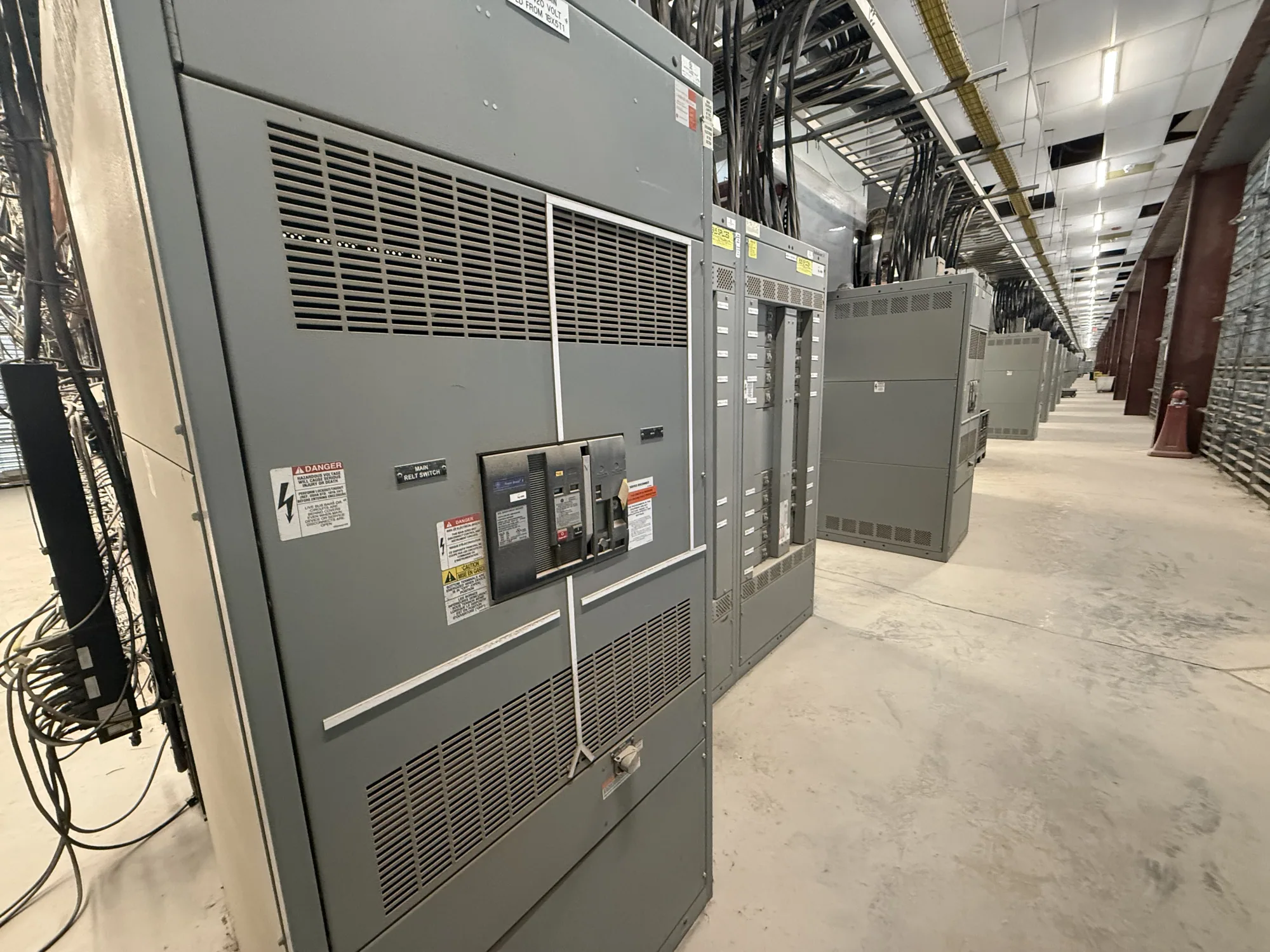
For some projects, an electrical switchboard is the appropriate low-voltage distribution assembly; other designs may call for different equipment. Treat switchboards as one possible interface in the overall system, not as a universal requirement for hospitality facilities. Confirm the intended function, voltage class, configuration, incoming source, outgoing circuits, and connections to adjacent equipment with the project engineer.
Enclosure requirements can influence usable space, cable entry, working access, and coordination with walls, housekeeping pads, doors, and nearby mechanical systems. Provide drawings or dimensions for the proposed room and route, identify indoor or outdoor placement, and flag obstructions or handling limits. If low-voltage switchboards are specified, confirm whether UL 891 applies and whether the particular assembly is listed as required; applicability must be verified for that design.
Bring the right project information to the supplier
A useful inquiry includes the project location, equipment purpose, required voltage class, system information available from the engineer, and the requested enclosure rating for each installation. Include one-line diagrams, schedules, specifications, room plans, cable-entry preferences, and any defined environmental or corrosion requirements. Clearly label open decisions rather than presenting assumptions as approved design criteria.
Also share expected operating patterns, planned phases, target outage windows, site access constraints, and the desired delivery sequence. Identify who will resolve engineering questions and who approves substitutions or deviations. South Carolina Switchgear Builders manufactures new equipment custom to specification, with US-built equipment and all-American components; configuration, availability, and delivery timing must be confirmed against the actual order.
Use a review checklist before release
Before approving equipment, verify that every location has a documented environment and enclosure requirement; the applicable rating system is identified; and the design accounts for moisture, contaminants, temperature, cleaning, and access as relevant. Confirm that seasonal load assumptions and outage constraints are separately recorded, then review the equipment schedule, drawings, dimensions, interfaces, and any required listing or testing with the responsible engineer.
- Are indoor and outdoor locations identified separately, with actual exposure described?
- Are enclosure rating, equipment function, voltage class, and configuration stated for each assembly?
- Have seasonal operating assumptions, phasing, outage windows, and delivery expectations been reviewed?
- Are site dimensions, access, cable routes, and stakeholder approvals complete?
Move from planning to a confirmed specification
Resolve uncertainties with the owner, electrical engineer, facilities team, and equipment supplier before procurement. A clear specification helps prevent mismatches between the site environment, enclosure design, and installation plan. Have qualified personnel handle installation, testing, and maintenance under applicable safety procedures; never treat an enclosure rating as permission to work on energized equipment.
Once the project team agrees on the location-specific requirements and equipment interfaces, submit the drawings and purchasing information for review. The supplier can then confirm whether the requested configuration, ratings, availability, and schedule can be supported for the particular new equipment order. This disciplined handoff gives hospitality projects a sound basis for procurement while leaving design decisions with the responsible project professionals.