Plan across the whole property
A hotel or resort can combine guest rooms, kitchens, laundry, pools, meeting spaces, retail, and central mechanical equipment on one property. Grounding and bonding details must make sense across those different uses and the electrical distribution serving them. The design team should define system grounding and bonding from the actual service arrangement, loads, and adopted project requirements, rather than assume that one detail fits every building or renovation phase.
Operating patterns matter to equipment planning, but seasonal occupancy alone does not establish electrical ratings or a grounding method. Owners and engineers should identify expected operating schedules, major seasonal changes, planned expansions, and loads that must remain available during an outage. Those assumptions help the responsible engineer assess the distribution design and coordinate equipment interfaces. They should be distinguished from verified load calculations and confirmed requirements.
Coordinate grounding, bonding, and neutral details
Equipment grounding, bonding, and grounded-conductor functions are related but not interchangeable. The project engineer should specify how the grounding and bonding system is arranged for each relevant part of the installation, including the service and downstream distribution. Neutral-to-ground connections, if applicable, depend on the system configuration and the point in the system; they should not be duplicated or inferred from a generic equipment description.
For new switchboards, provide the supplier with the engineer-approved one-line diagram and the specified service and feeder arrangement. Identify the intended grounding and bonding provisions, neutral requirements, incoming and outgoing conductor details, and any required connections to the facility grounding system. The equipment design must be checked against the project documents. Supplier coordination supports the design but does not replace the engineer's responsibility for system decisions or the installation team's work.
Account for outage planning and seasonal operation
Resorts may schedule electrical work around occupancy, events, or operating seasons. That constraint is useful for project planning, but it does not establish a safe outage sequence or guarantee when equipment can be installed. The owner, engineer, contractor, and equipment supplier should identify decision dates, submittal review periods, access constraints, and the parties responsible for outage planning. Actual dates and equipment availability require confirmation for the specific order.
Ask which loads are essential to property operations and how the project documents address them. Possible examples include life-safety systems, refrigeration, pumps, elevators, and building controls, but their classification and distribution depend on the facility design and applicable requirements. Clear load schedules and operating assumptions help the engineer evaluate arrangements and help suppliers understand the intended equipment interfaces without inventing priorities or ratings.
Use real site conditions, not assumptions
Environmental exposure can affect equipment selection and installation details. A coastal property may face salt-laden air, while other sites may have humidity, pool chemicals, washdown, outdoor locations, or unusual temperature conditions. These are possibilities to evaluate, not conditions to presume. Document where equipment will be installed and provide the responsible design team with actual exposure, enclosure-location, access, and maintenance constraints.
Ask the engineer to specify any material, enclosure, or installation provisions needed for the documented environment, then confirm that the proposed equipment matches those requirements. Do not assume that a product is suitable for a coastal or wet location based only on its general description. The project specification should resolve environmental details alongside ratings, clearances, conductor entry, and coordination with the building's grounding system.
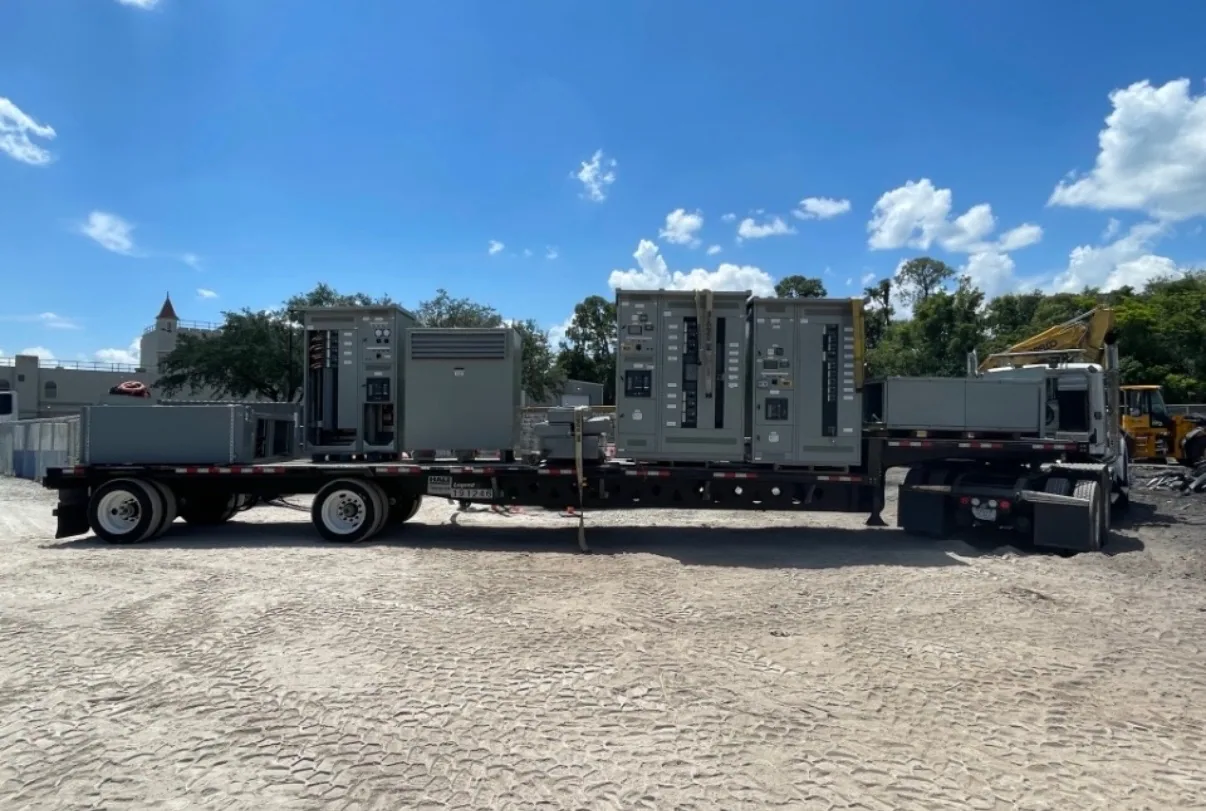
When a switchboard is part of the solution
An electrical switchboard may be one interface in a hospitality distribution system, but it is not automatically required for every project. The one-line diagram and design criteria determine whether a switchboard, other switchgear, or a different arrangement is appropriate. If a new switchboard is specified, its configuration and any applicable listing must be verified for that particular design; UL 891 applies to eligible low-voltage switchboards, not to medium-voltage switchgear.
Before requesting a quotation, share the project specification, one-line diagram, equipment schedules, required voltage class and ratings, grounding and neutral details, environmental conditions, and target submittal and delivery milestones. Identify unresolved assumptions and the engineer responsible for answering them. South Carolina Switchgear Builders manufactures new equipment to specification, is US-built with all-American components, and ships nationwide. Availability and lead times depend on the order and must be confirmed.
Checklist for a coordinated specification
Before release, have the owner and engineer review service configuration, load assumptions, outage constraints, grounding and bonding requirements, neutral treatment, site exposures, and equipment responsibilities. Confirm applicable codes and standards with the project engineer and authority having jurisdiction; applicability varies with the project and assembly. Reconcile drawings, schedules, and specifications so suppliers receive consistent information, and route submittals through the designated reviewers before fabrication.
Installation, inspection, testing, and maintenance should be planned and performed by qualified personnel under applicable safety procedures. A practical next step is to assemble the current one-line diagram, written equipment requirements, site-condition notes, and project schedule for engineering review. That coordinated package gives the manufacturer a clear basis to confirm configuration, availability, and delivery details while leaving system design decisions with the responsible professionals.