Plan around guest operations and critical services
In a hospitality or resort facility, an electrical interruption can affect more than one building or service. Guest rooms, kitchens, elevators, water systems, heating and cooling, laundry, event spaces, and life-safety functions may have different operating priorities. Selective coordination is a design objective for protective devices: for a specified fault condition, the device nearest the fault should operate before upstream devices, where the design and device characteristics allow it.
That objective is not a promise that every fault will leave all other loads energized. The responsible electrical engineer determines the required extent of coordination, applicable code and project requirements, and the fault-current conditions to evaluate. A resort with central plant equipment and distributed guest facilities may need a different approach from a smaller property with a simpler distribution system. Start by identifying which circuits serve which functions and what interruption consequences matter.
Represent seasonal demand honestly
Seasonal occupancy can change operating patterns substantially. Peak cooling, pool or spa equipment, kitchens, event loads, and guest-room demand may overlap differently across the year. The study should use project-specific load information and credible operating scenarios, not just a single annual estimate. Ask the engineer which combinations of loads, operating modes, and source configurations are relevant to device selection and coordination review.
Seasonal assumptions also affect outage planning. A maintenance window that is acceptable during a quiet period may be impractical during a major event or high-occupancy season. Owners should describe blackout dates, critical operating periods, and any planned expansion or temporary loads. Those details do not change the protective-device physics, but they help the project team align equipment access, commissioning sequence, and operational expectations with the design.
Review the full protective-device chain
Selective coordination depends on how protective devices behave relative to one another across the system. Engineers review time-current characteristics, device settings where applicable, available fault current, and the system configuration. A device may respond differently at different fault levels, so a coordination conclusion should be tied to the specified conditions and the study method. Ask for the evaluated range and any stated limitations rather than relying on a general claim of coordination.
Useful inputs include current one-line diagrams, transformer and source information, conductor data, protective-device manufacturer and model details when known, and proposed settings. Changes to a service source, generator, transfer arrangement, feeder length, or equipment selection may affect the analysis. The design team should identify who owns the coordination study, how revisions are tracked, and which study findings must be reflected in equipment submittals and field settings.
Balance continuity with protection
Coordination is one design consideration, not a reason to weaken protection. Project engineers must evaluate protective-device operation alongside equipment capabilities, conductor protection, arc-flash considerations, and applicable requirements. Where a desired coordination interval conflicts with another design constraint, the engineer should document the tradeoff and explain the effect on downstream and upstream loads. Owners can then make informed choices about operating priorities and acceptable interruption boundaries.
Facility-wide planning matters because a fault on a branch circuit, a mechanical feeder, or a distribution section can have different consequences. Map the intended boundaries: which loads should remain available, which may be interrupted together, and whether alternate sources or standby systems are part of the design. Any transfer or emergency-power arrangement requires its own project-specific review; do not assume it preserves coordination under every operating mode.
Specify equipment with the study in view
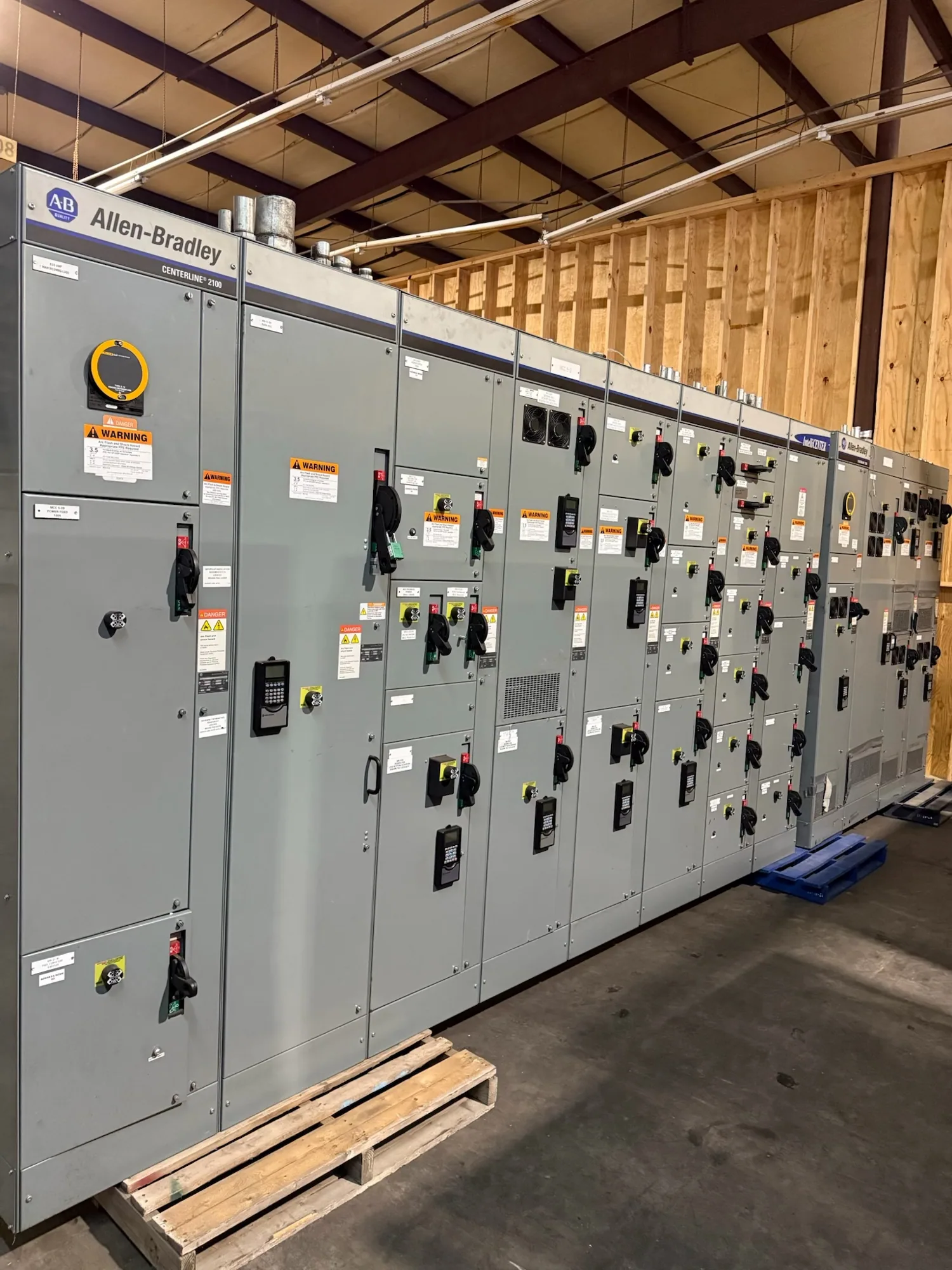
Electrical switchboards may form an interface between sources, feeders, and downstream distribution, but they are not required in every facility or arrangement. When new switchboards or switchgear are being specified, provide the manufacturer with the approved electrical requirements, system diagrams, intended functions, and relevant device information. Equipment configuration must be confirmed against the actual project specification; no generic product description establishes a coordination result.
Tell the equipment supplier the system voltage class, source arrangement, number and function of circuits, required protective-device types, and any enclosure or environmental conditions identified by the project team. For coastal properties, describe the actual exposure and installation location rather than assuming a rating from geography alone. The engineer should confirm applicable standards and environmental requirements, while the supplier confirms whether the proposed equipment can be configured to the approved design.
Coordinate the data and review points
Before requesting a quotation, assemble the latest one-line diagram, load and operating assumptions, fault-current or study information available, device schedule, and project milestones. Identify open decisions, such as future loads, standby-source modes, or required coordination boundaries. State which documents are preliminary and who will issue final engineering direction. Clear revisions reduce the risk that equipment is quoted or released using outdated settings or an incomplete system arrangement.
Set review points among the owner, electrical engineer, facilities team, equipment supplier, and installing contractor. Confirm who provides final protective-device selections and settings, who reviews shop drawings, and how approved changes are communicated before manufacture and installation. Availability and lead times depend on the order and must be confirmed. South Carolina Switchgear Builders manufactures new equipment to specification, with nationwide shipping; project-specific configuration and delivery timing require confirmation.
Use a practical project checklist
For the first coordination discussion, document operating seasons and peak scenarios; guest, life-safety, and facility loads; outage-sensitive periods; sources and transfer modes; proposed protective-device data; environmental conditions; and desired coordination boundaries. Ask the responsible engineer to identify governing requirements, study assumptions, equipment interfaces, and unresolved tradeoffs. Confirm that final device data and equipment submittals will be reviewed against the same approved design basis.
Then align purchasing with engineering: provide current drawings, clarify what is included in the equipment scope, record open items, and establish a path for approved revisions. A focused review makes it easier to compare proposals on the same technical basis and to plan commissioning without substituting assumptions for verified settings. Qualified personnel should perform installation, testing, and maintenance under applicable safety procedures. With responsibilities and operating priorities clear, the team can specify new distribution equipment that supports a coordinated, reviewable project design.