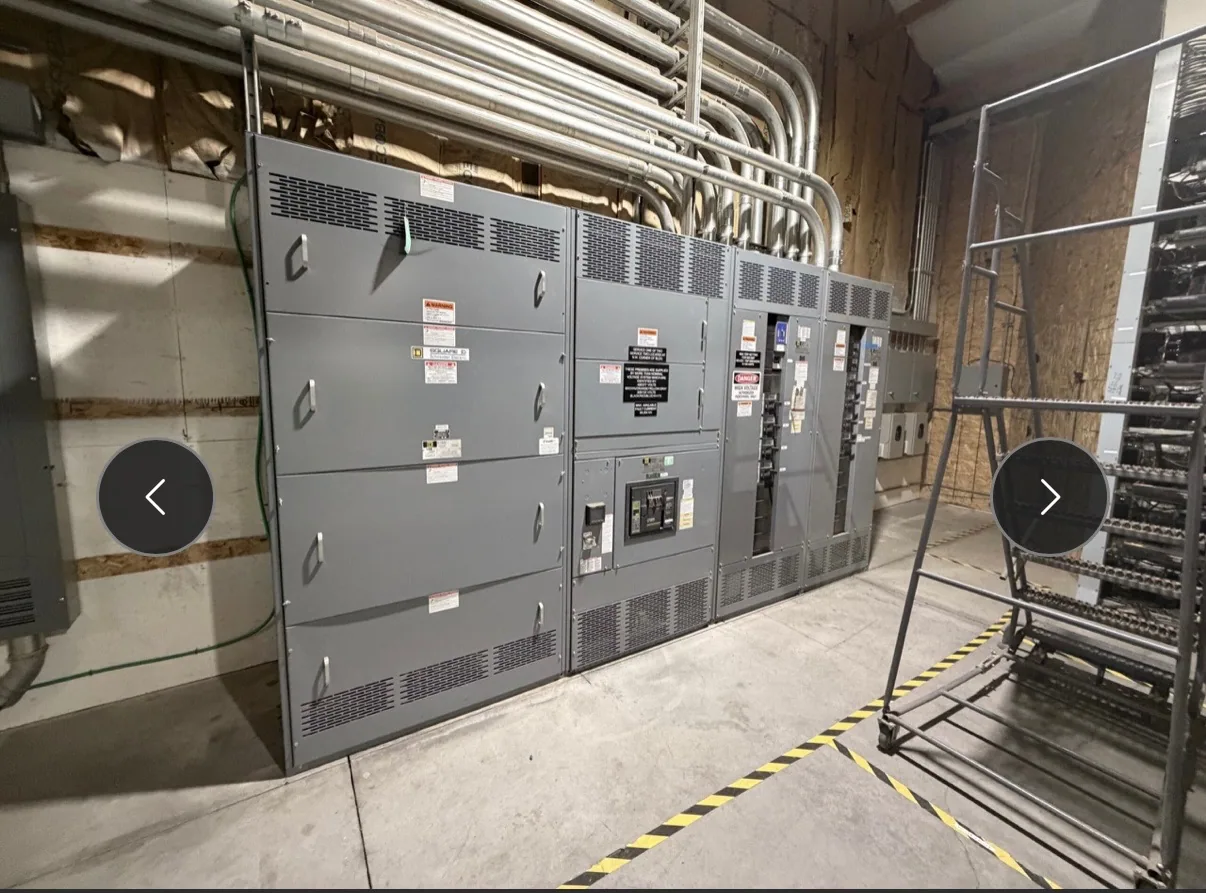
Start with the equipment location and exposure
Pharmaceutical and biotech facilities can combine production areas, utility rooms, service corridors, controlled environments, and outdoor equipment locations. Each setting may expose electrical equipment to different conditions. An enclosure rating should follow the actual installation environment, not the industry label alone. Begin by identifying where each switchgear or switchboard lineup will sit and what it may encounter over its service life.
Document possible moisture, washdown, airborne contaminants, dust, corrosive substances, temperature variation, and physical contact. Distinguish routine cleaning from a direct spray or process exposure; those conditions are not interchangeable. Ask facility engineering and the responsible design professional to confirm the expected exposure and applicable enclosure classification for each location. A rating does not establish suitability for every chemical, cleaning method, or unusual condition.
Choose ratings around real operating conditions
Specify the enclosure type using the project’s applicable NEMA or other recognized classification system, as determined by the engineer. Avoid selecting a rating solely because another room or facility uses it. Greater environmental protection can affect equipment dimensions, heat dissipation, access, and configuration. Conversely, a rating that does not address actual exposure can leave an important design assumption unresolved. Review the complete equipment arrangement and manufacturer’s offered construction against the specified conditions.
Consider how doors, covers, cable entries, ventilation, and adjacent equipment interact with the enclosure design. The final arrangement may affect where conductors enter, how operators reach controls, and whether service clearances remain available. Confirm these interfaces from project drawings and equipment submittals, rather than assuming a nominal rating covers every field condition. Any proposed deviation should be reviewed and recorded through the project’s established engineering and change-control process.
Connect equipment decisions to change control
In regulated operations, a switchgear modification may touch more than the electrical scope. A changed lineup position, cable route, ventilation arrangement, or access path can affect facility documentation and planned work. Before purchasing, identify the owner’s review path, required submittals, revision controls, and stakeholders who must approve interfaces. The project team should determine whether a proposed equipment change triggers additional facility assessment or documentation under its own procedures.
Keep the enclosure designation consistent across the one-line diagram, equipment schedule, specifications, drawings, and purchase documents. Record the location and environmental assumptions associated with each designation, including any limits the design depends on. If the room use, cleaning procedure, or equipment placement changes later, the owner and engineer can assess the effect against documented criteria instead of relying on memory or an incomplete equipment label.
Plan access and maintenance windows
Enclosure selection should account for how qualified personnel will inspect, operate, and maintain equipment under the site’s safety procedures. Review working space, door swing, access routes, lifting or removal needs, and the location of adjacent piping or process equipment. Coordinate these details with facility operations before drawings are finalized. A technically suitable rating is not enough if the installed arrangement obstructs planned access or conflicts with the maintenance strategy.
Maintenance windows can also shape installation sequencing and outage coordination. Confirm which areas may be unavailable during delivery, placement, connection, inspection, and commissioning, and who owns each interface. Actual installation, testing, and maintenance must be performed by qualified personnel using applicable safety procedures. Do not treat enclosure selection as a substitute for an equipment-specific safety review or an approved work plan.
Coordinate interfaces and related equipment
Arc-resistant switchgear may be considered for some projects, but it is an illustrative equipment option, not a default requirement for pharmaceutical or biotech facilities. The responsible engineer should evaluate the system application, risk assessment, layout, operating practices, and project specification. If this type of equipment is being considered, request documentation for the proposed configuration and clarify how its design affects room layout, access, and interfaces. Do not assume an enclosure rating alone establishes arc-resistant performance.
Likewise, coordinate grounding and bonding, cable entry, control wiring, and connections to upstream and downstream equipment as project-specific design matters. Define which party supplies each interface and which drawings govern it. Switchgear and switchboards are not interchangeable terms; identify the intended equipment and voltage class in the purchasing documents. Any required ratings, standards, testing, or listing must be confirmed for the actual assembly and applicable design.
Prepare a reviewable purchasing specification
For a new-equipment request, provide the manufacturer with the equipment type, system voltage and other established electrical requirements, installation location, specified enclosure classification, environmental assumptions, and current project drawings. Include access constraints, cable-entry expectations, control and communications interfaces, applicable project standards, and required submittal documents. Mark unresolved items as open questions rather than converting assumptions into fixed requirements.
Before release, have the owner, electrical engineer, facility operations, safety representatives, and procurement team review the same current revision. Ask the supplier to identify design-dependent items for confirmation, including configuration, availability, delivery dates, testing, ratings, and any applicable assembly listing. South Carolina Switchgear Builders manufactures new equipment to specification, is US-built with all-American components, and ships nationwide. Availability and lead times depend on the order and must be confirmed. A coordinated, documented specification gives the project team a sound basis for comparing the proposed equipment with the facility’s actual conditions and operating plan.