Plan across the facility, not just one lineup
Pharmaceutical and biotech facilities may include production areas, laboratories, controlled environments, process utilities, and support spaces. Their electrical distribution can serve equipment with different operating needs and maintenance constraints. Grounding and bonding therefore belong in the facility-wide design conversation, not solely on a switchgear drawing. The responsible engineer should coordinate the grounding approach with the service arrangement, distribution topology, connected loads, and applicable codes.
Changes to a production or laboratory environment may require formal review and documentation. Electrical equipment modifications can affect interfaces, shutdown planning, and records used by operations and engineering teams. Establish who approves design changes, which drawings and specifications govern, and how updates will be captured. These project controls help keep equipment procurement aligned with the facility’s documented design without assuming that every site follows the same procedures.
Distinguish grounding, bonding, and neutral functions
Grounding and bonding are related but distinct design functions. Grounding connects designated parts of an electrical system to ground according to the system design; bonding establishes electrical continuity among conductive parts where required. The neutral conductor has its own role in the distribution system. Its connection to ground, and the locations where neutral and equipment grounding conductors are treated as connected, must follow the actual service and system configuration.
Do not infer neutral treatment from a generic equipment description. The project engineer should identify the source arrangement, grounding method, system voltage and phase details, and any separately derived systems relevant to the equipment. Suppliers need the approved one-line diagram and clear connection requirements to configure an assembly appropriately. If the source or downstream arrangement is unsettled, document that assumption and resolve it before finalizing equipment interfaces.
Coordinate equipment interfaces and operating constraints
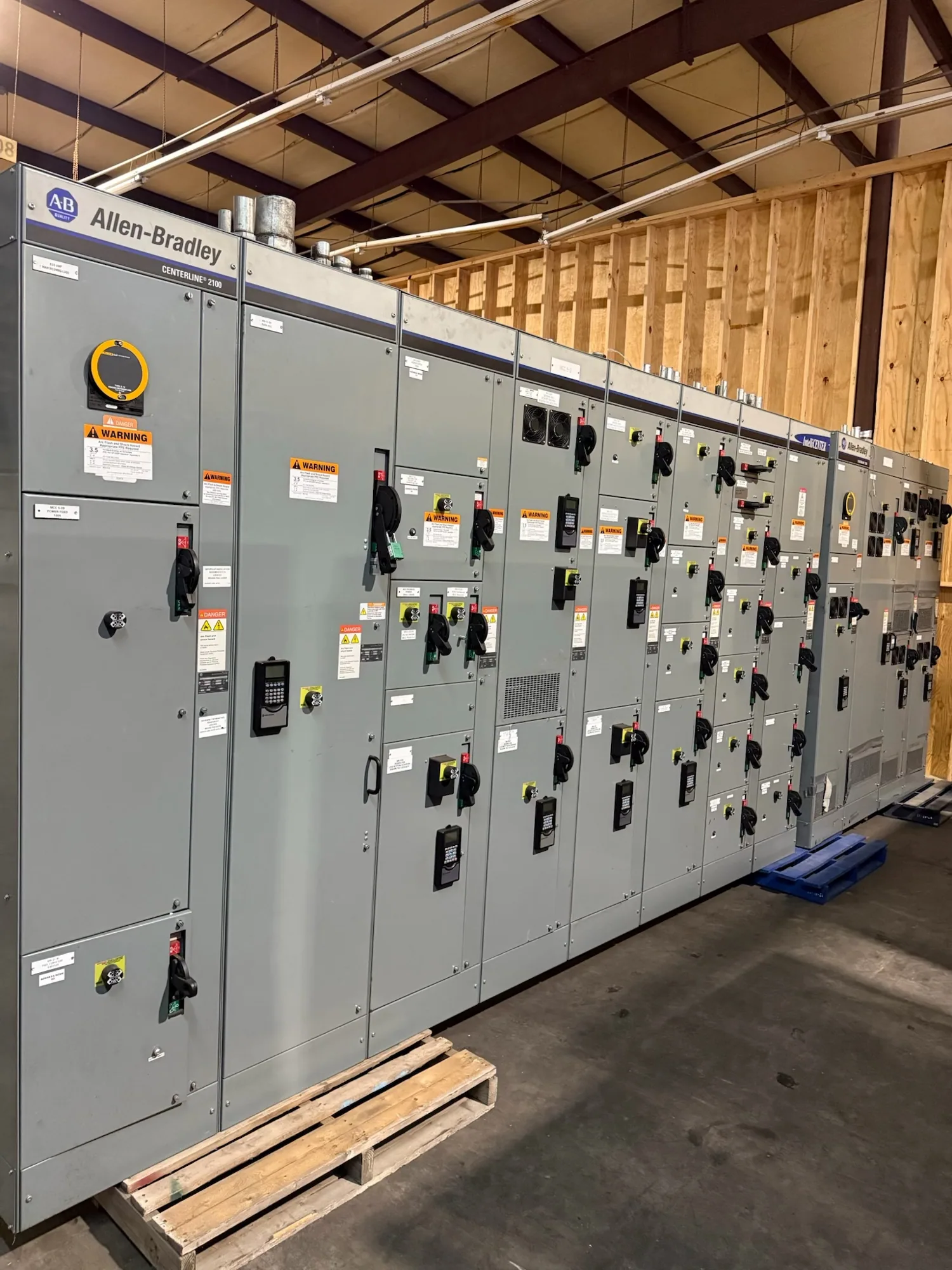
New indoor switchgear or switchboards may be one part of a facility’s distribution system, but neither is automatically the right solution for every project. The specification should state the intended equipment function, location, interface points, and electrical characteristics. The engineer should also identify how grounding conductors, bonding connections, and neutral connections are to be brought to or handled at the assembly, as applicable to its design.
In a controlled production environment, planned maintenance windows and access constraints can influence equipment arrangement and project sequencing. They do not change the need for a technically sound grounding design. Instead, they make early coordination useful: confirm room conditions, cable entry expectations, access and working clearances, shutdown boundaries, and interfaces with upstream and downstream equipment. Qualified personnel must perform installation, testing, and maintenance under applicable safety procedures.
Manage changes with clear records
Grounding details can be affected when a project changes its source, transformer arrangement, feeder routing, equipment location, or connected load. Define a review path for those changes before procurement and installation. The owner, engineer, contractor, and equipment supplier should know which party approves revisions and which documents must be updated. This is especially useful when a modification is scheduled around production or laboratory operations.
Ask for drawings and submittal information that make the proposed equipment interfaces reviewable. Depending on the project, that may include connection diagrams, terminal or bus details, equipment grounding provisions, neutral arrangements, and dimensional information. Require the project team to reconcile these documents with the one-line and grounding design. A supplier’s standard configuration should not be treated as a substitute for project-specific engineering decisions.
Resolve design trade-offs before specifying equipment
Several decisions may affect equipment configuration: the selected service arrangement, the location of neutral-to-ground connections, conductor routing, available space, and how the assembly connects to adjacent equipment. The engineer should consider these as a coordinated system rather than optimize one detail in isolation. A change that simplifies one connection may affect another interface, so compare alternatives against the approved design and operating constraints.
Applicable standards and code requirements must be identified by the responsible design team for the actual application and jurisdiction. Do not assume that a standard or listing applies to every assembly or voltage class. For eligible low-voltage switchboards, UL 891 applicability and assembly listing require confirmation for the specific design; it does not apply generally to medium-voltage switchgear. Ratings, testing, and compliance claims likewise need verification against the supplied equipment specification.
Prepare a useful equipment request
For a manufacturer quotation, provide the current one-line diagram, electrical specifications, equipment type and location, source and load information, and the required grounding and neutral details. Include known room constraints, cable entry preferences, interface drawings, and the schedule or maintenance-window considerations that affect coordination. Identify open engineering decisions rather than allowing assumptions to become hidden requirements in a purchase order.
Also state which documents require review, who has approval authority, and what standards or project requirements govern. South Carolina Switchgear Builders manufactures new equipment to specification, including indoor switchgear where appropriate, and ships nationwide. Availability and actual lead times depend on the order and must be confirmed. Clear inputs help the manufacturer and project team assess configuration, interfaces, documentation, and delivery planning against the actual project needs.
Use review gates before release and installation
Before releasing an order, reconcile the approved equipment submittal with the project one-line, grounding design, and connection requirements. Confirm that any open assumptions have an owner and resolution date. Before installation, the responsible project team should verify that the furnished assembly and interfaces match approved documents and site conditions. Any discrepancy should follow the project’s change-control process rather than be resolved by informal field assumption.
For planning, involve facility engineering, operations, electrical design, construction, and procurement early enough to review shutdown boundaries and documentation needs. The exact participants and review steps depend on the project. A coordinated request gives the equipment supplier a clearer basis for a new-equipment proposal while leaving grounding design, code interpretation, and safety decisions with the qualified professionals responsible for the facility.