Define the facility scope before specifying interfaces
Pharmaceutical and biotech facilities bring process utilities, controlled environments, building systems and electrical distribution together. Instrumentation and communications planning helps define how relevant information moves between these systems and who is responsible for each interface. Begin with the facility functions and operating scenarios that matter to the owner, rather than assuming every equipment package needs the same signals or network connection.
Consider which systems require visibility into electrical status, alarms, measurements or equipment availability. The answer may vary between production areas, utility systems, laboratories and support spaces. A point that is useful for operations may not be required by the control system, and a value recorded for maintenance may have different handling needs from process data. The owner's engineering and operations teams should establish those priorities.
Build a usable point list
A point list is more useful when it describes purpose as well as signal name. For each proposed point, identify its source, destination, meaning, expected behavior, and responsible party. Distinguish between status, alarm, command, and measurement signals. For example, a switchboard interface might expose selected breaker status or electrical measurements, but the actual points depend on the specified assembly and the facility's control requirements.
Clarify whether a point is required for routine monitoring, alarm response, maintenance planning, or another documented use. State units and naming conventions for measurements, and define how alarms are identified and acknowledged within the receiving system. Confirm whether a signal is hardwired, communicated digitally, or not needed. Do not assume that an equipment supplier's standard point set matches the facility's approved list.
Document protocols and interface boundaries
When digital communication is considered, name the required protocol and identify which device or system acts as the communication endpoint. Record the physical connection, network ownership, addressing approach and information expected to cross the boundary, as applicable to the design. Confirm these details with the responsible controls, electrical and information technology stakeholders; protocol names alone do not establish interoperability or define a complete integration.
Cybersecurity boundaries should be planned with the facility's information technology and operational technology teams. Determine whether equipment connects to a facility network, a dedicated controls network, or a defined gateway, and document who approves and manages that connection. Limit the agreed interface to the intended information exchange. Network access, remote connectivity, credentials and change procedures require project-specific review rather than assumption.
Coordinate change control and maintenance windows
In regulated operations, an interface change can affect documentation, operating procedures or a validated system boundary. Establish how changes to point names, protocol settings, firmware, network configuration and alarm behavior will be proposed, reviewed, approved and recorded. The owner determines applicable quality and change-control processes; equipment documentation should support that process without implying a particular validation outcome.
Plan integration and maintenance activities around facility operating constraints. Identify the stakeholders who need to review planned outages, commissioning access, configuration changes and return-to-service steps. A maintenance window is not a substitute for an approved work plan or applicable safety procedures. Installation, testing and maintenance must be performed by qualified personnel using the relevant project procedures, and no work should depend on operating energized equipment.
Use low-voltage switchgear as one possible interface
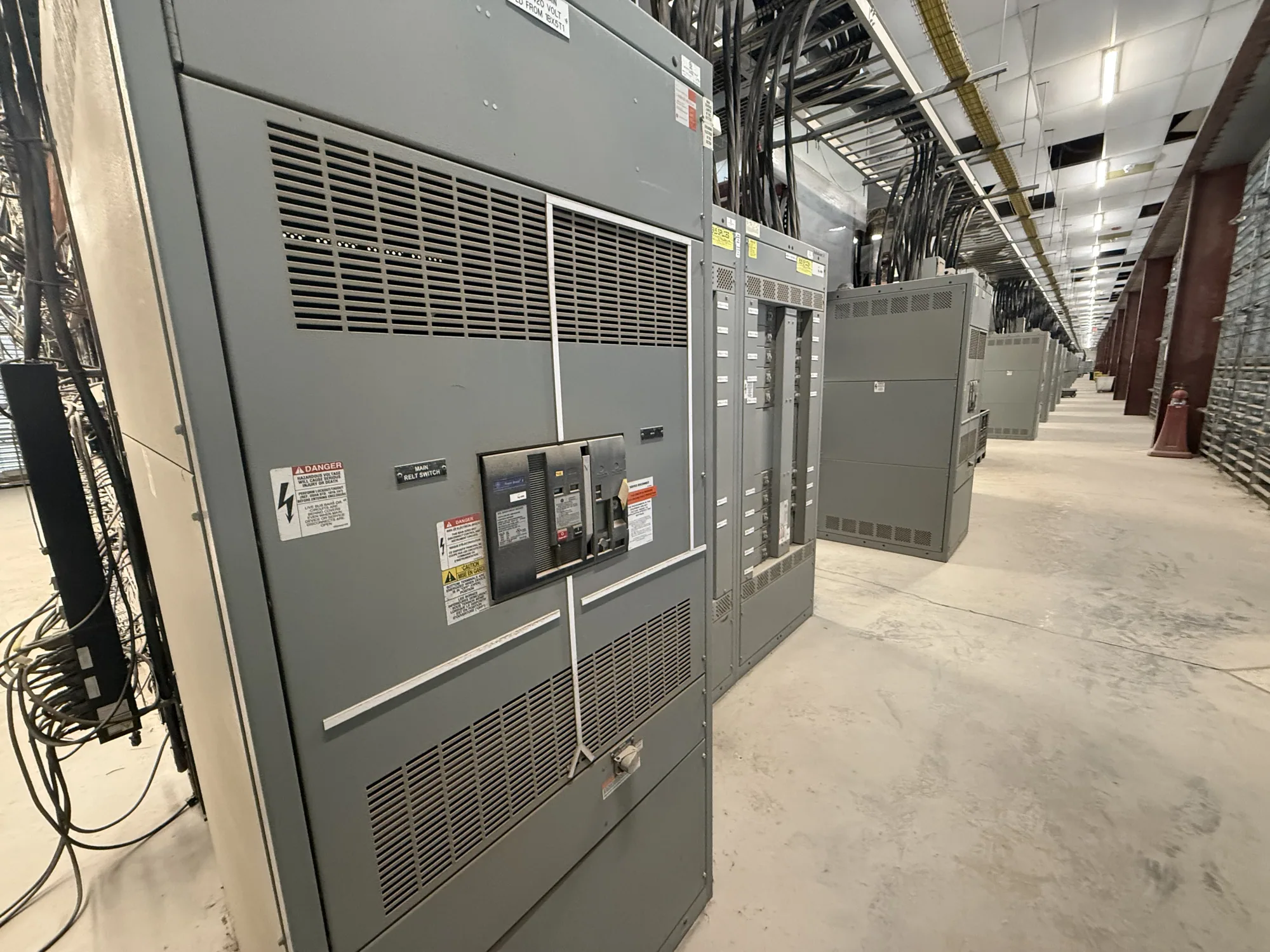
Low-voltage switchgear may be one element in a facility's electrical monitoring plan, but it is not automatically required for every pharmaceutical or biotech project. If a new low-voltage assembly is being specified, its monitoring needs should be coordinated with the one-line diagram, load requirements, protection design and controls architecture. The responsible engineer should determine which status and metering points are necessary and verify their availability for the proposed configuration.
For a new equipment inquiry, provide the manufacturer with the project specification, applicable drawings, requested electrical ratings, point list, communication requirements and any defined interface boundaries. Identify assumptions and items awaiting owner or engineer decision. Project-specific ratings, listing, testing, availability and delivery timing must be confirmed against the actual design and order; they should not be inferred from a general product description.
Align purchasing information with engineering review
Before requesting a proposal, consolidate the equipment scope and interface deliverables. Include the equipment type and quantity, electrical requirements, enclosure or installation constraints, drawings, required documentation, requested protocol, point definitions, and review milestones. State which party supplies network components, configures communications, performs integration and approves the final point mapping. Clear allocation helps expose gaps before procurement and supports a more usable submittal review.
South Carolina Switchgear Builders manufactures new switchgear and switchboards to specification, with US-built equipment, all-American components and nationwide shipping. Availability and actual lead times depend on the order and should be confirmed. For a project involving facility instrumentation and communications, the practical next step is to have the owner, engineer, controls integrator and equipment supplier review the same documented interface before release. That shared review can resolve assumptions early and provide a clearer basis for purchasing, integration planning and controlled changes.