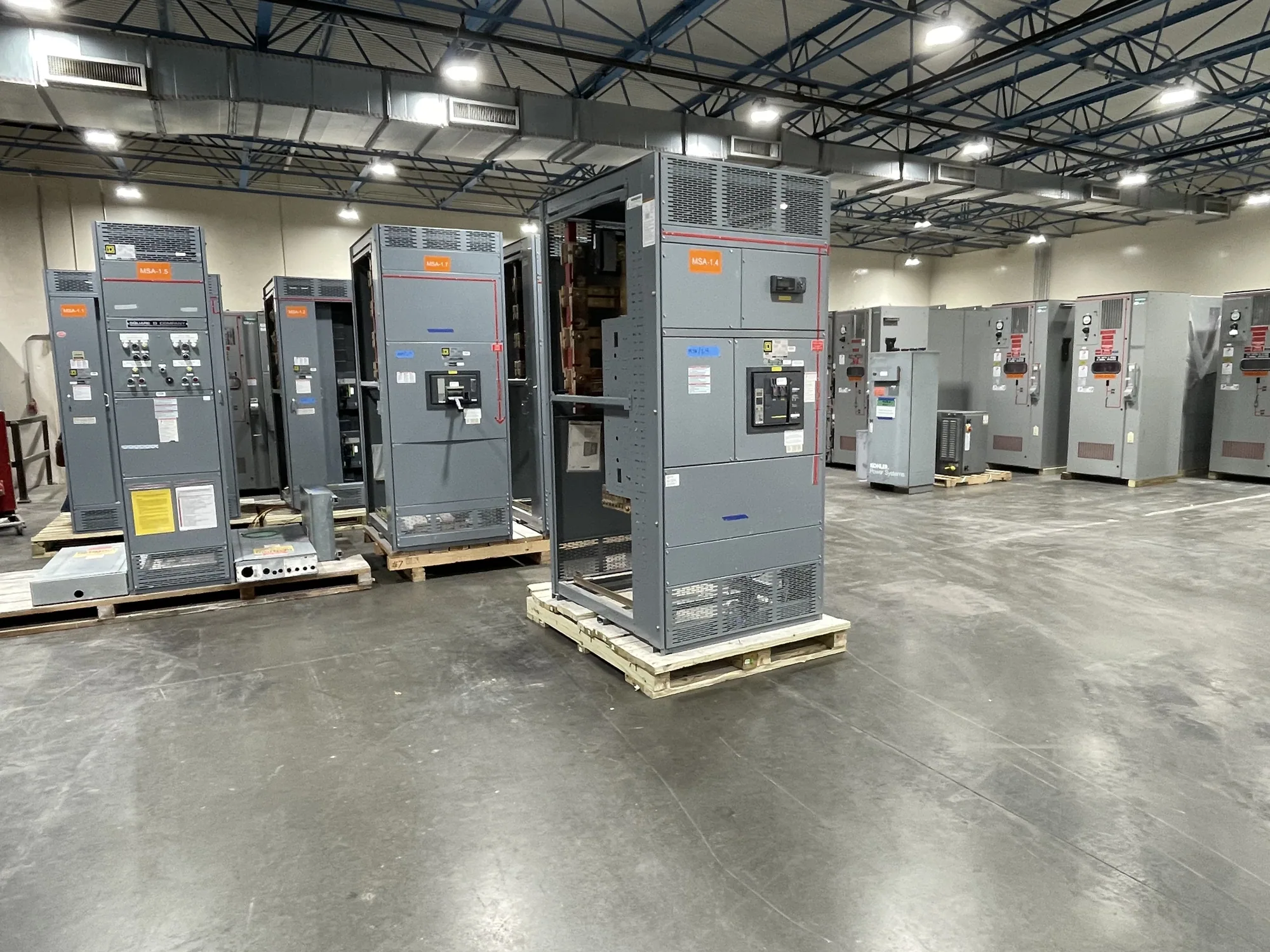
Start with the facility environment — Enclosure Ratings for Warehouses and Logistics Facilities
Warehouses and logistics facilities can combine dry electrical rooms, loading areas, vehicle-charging locations, conveyor systems, and spaces exposed to dust or changing temperatures. An enclosure rating should follow the actual installation environment, not a broad label such as “warehouse.” Identify where each assembly will sit, what conditions it may encounter, and which project requirements govern its design.
Switchgear and switchboards distribute power, but their enclosures do not make an unsuitable location acceptable. The owner’s electrical engineer should document environmental conditions, access needs, applicable codes and standards, and any operational restrictions. A manufacturer can then review the requested configuration against the project specification. Final enclosure selection, ratings, and available options must be confirmed for the actual equipment design.
Map exposure by equipment location
Build a location schedule for each distribution assembly, noting whether it is indoors or outdoors and describing exposure to water, dust, debris, corrosive substances, washdown, temperature variation, or physical impact. Record nearby operations such as dock traffic, cleaning, battery handling, and maintenance activity. These observations help the engineer identify relevant enclosure classifications and determine whether additional protective measures or a different equipment location should be considered.
NEMA enclosure types and other specified classifications describe defined protection characteristics; they are not interchangeable shorthand for “weatherproof” or “dustproof.” The project team should select and verify a documented rating appropriate to the location and applicable specification. Avoid assuming that one rating fits every building area, or that an enclosure alone addresses condensation, heat removal, corrosion, or site drainage. Those concerns may require separate design decisions.
Coordinate feeders with load assumptions
Warehouse power plans can evolve as conveyors, sorting equipment, automation, and vehicle charging are added. Before requesting equipment, provide the responsible engineer’s load schedule, feeder requirements, available source information, and the anticipated sequence of phases. Charging demand assumptions should identify the planned equipment and operating scenario; the engineer should determine how diversity, simultaneous use, and future capacity affect the electrical design.
Scalable distribution does not mean selecting spare capacity without a defined basis. Discuss which future feeders or spaces are actually needed, how expansions might be connected, and what work can occur while the facility operates. The engineer and equipment supplier should confirm that proposed provisions fit the assembly design and project requirements. Staged work must be planned by qualified personnel under applicable safety procedures; never treat an enclosure choice as permission for energized work.
Balance protection, access, and operation
A more protective enclosure may affect access, dimensions, ventilation, cable entry, maintenance approach, and coordination with the electrical room. Compare the environmental requirement with the equipment’s operating and service needs instead of requesting the highest-sounding rating by default. Confirm clearances and working space with the project engineer, and account for doors, adjacent equipment, cable routes, and the movement of personnel or material.
Also identify who needs access and how the area is controlled. Warehouse traffic, forklift routes, dock operations, and routine cleaning can influence placement and physical protection. Where a location presents risks beyond the enclosure classification, the design team should assess relocation, barriers, or other project-specific measures. Supplier review can clarify equipment options, but the engineer remains responsible for determining suitability within the complete electrical installation.
Clarify the equipment interface
An electrical switchboard may be appropriate for some low-voltage distribution applications, while other projects require different equipment. Treat it as one possible interface, not a default answer for every warehouse. Provide the specified voltage class, system arrangement, source and outgoing feeder information, required protective devices, and any project-defined ratings. Do not infer these values from building type or equipment labels; the responsible engineer must establish them.
Send the supplier the latest one-line diagram, equipment schedule, layout, environmental notes, and applicable specification sections. Flag unresolved assumptions, including future charging loads, expansion phases, and equipment locations still under review. Ask which enclosure rating and design details are available for the proposed assembly, and request confirmation that the quotation reflects the current documents. Any listing, standards applicability, ratings, and testing provisions must be verified for the specific design and supplied equipment.
Prepare a focused project review
Before issuing a purchase request, assemble a location-by-location exposure schedule, load and feeder assumptions, source information, expansion plan, access constraints, and the governing project requirements. Identify the owner, engineer, contractor, and operations representatives who must review the design. Note open decisions explicitly rather than letting a quotation imply that an unconfirmed condition has been resolved.
South Carolina Switchgear Builders manufactures new switchgear and switchboards to specification, with US-built equipment and nationwide shipping. Availability and actual lead times depend on the order and must be confirmed. During purchasing, compare the proposed equipment against the approved documents, confirm enclosure details and interfaces, and coordinate submittal review, site readiness, delivery planning, and installation responsibilities. Qualified personnel should perform installation, testing, and maintenance using applicable safety procedures.
Make the rating traceable to the design
A useful enclosure requirement states where the equipment will be installed, which documented classification is required, and what environmental assumptions support that choice. Keep that rationale with the equipment schedule and project records. If the layout, operations, or expansion plan changes, have the engineer review whether the original requirement remains suitable before equipment details are finalized.
This process gives purchasing and operations teams a clear basis for comparing equipment without treating enclosure ratings as a substitute for system design. With exposure, feeder plans, charging assumptions, and staged work documented, the supplier can review a defined request and the project team can resolve design-dependent details before ordering new equipment.