Define the project scope before specifying equipment
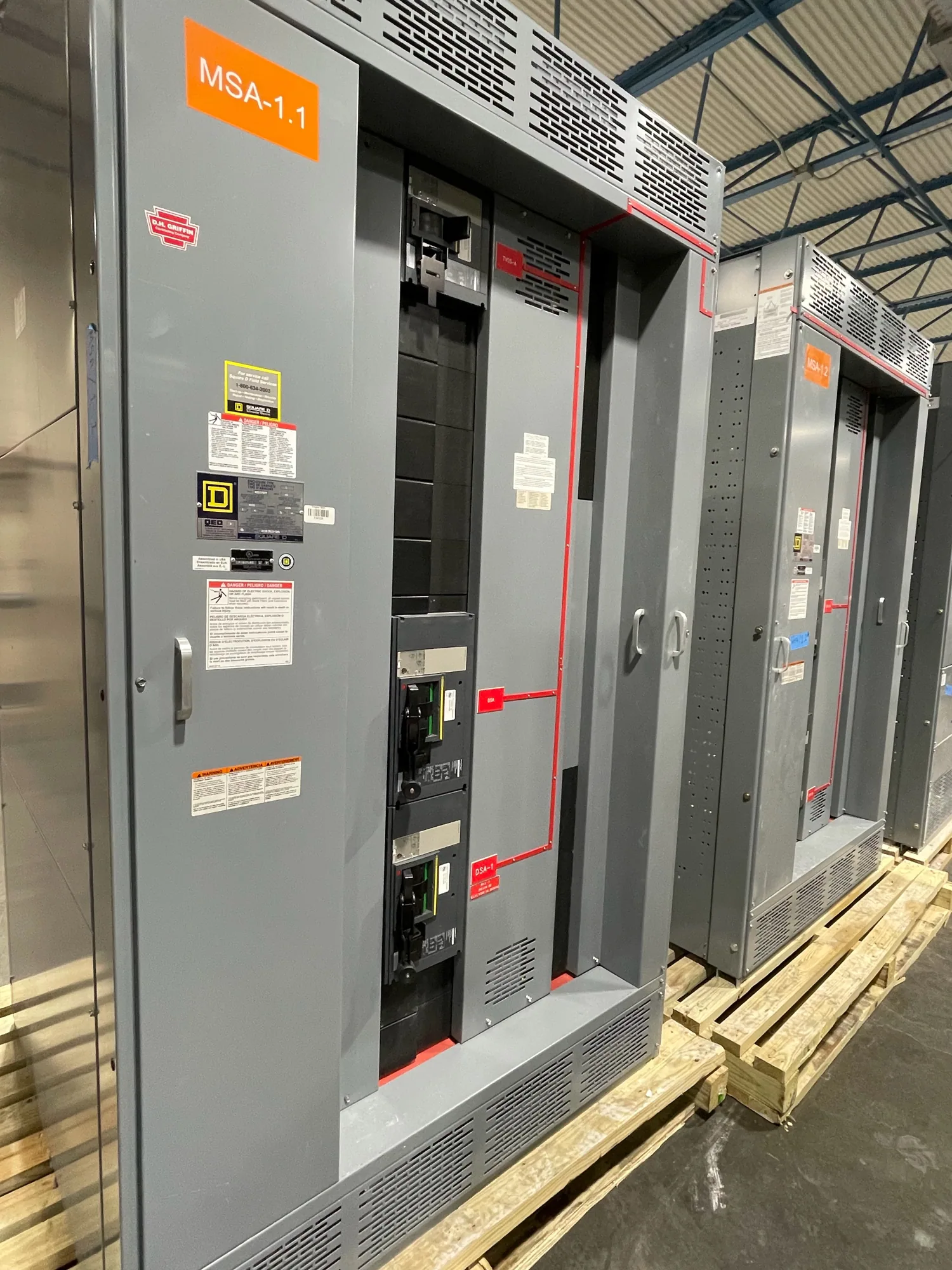
Custom switchgear building starts with the electrical system the equipment must serve, not with a preferred enclosure or a list of components. Identify the project type, installation environment, operating goals and equipment boundary. Clarify whether the requested assembly is low-voltage switchgear, a switchboard or medium-voltage switchgear; these terms are not interchangeable, and the chosen product must match the system and specification.
Establish what the manufacturer is being asked to supply and what remains with the project engineer, installer, utility or other vendors. The equipment order may depend on upstream and downstream devices, protective relays, control wiring, cables, bus connections, metering or communications. Record who defines, supplies, installs and verifies each interface. Clear responsibility boundaries help prevent omissions without implying that equipment procurement replaces system design or field coordination.
Use the one-line diagram as a design anchor
A current one-line diagram gives the project team a shared view of sources, buses, breakers and loads. It should identify the intended arrangement and include available electrical information such as system voltage, fault-duty basis and protective-device requirements where established by the responsible engineer. If the diagram is preliminary, mark its status and unresolved decisions rather than treating assumptions as approved design inputs.
Provide related schedules and specifications when available, including breaker or switch requirements, metering, relaying, control power, communications and required space for cable entry and termination. The manufacturer needs enough detail to evaluate a proposed configuration against the order requirements. Where a value or function is not yet confirmed, identify the decision owner and expected resolution point; do not allow an unverified assumption to become a hidden design constraint.
Resolve arrangement and equipment interfaces
Lineup arrangement affects access, cable routing, shipping divisions and how the assembly fits the electrical room. Share room dimensions, access routes, door and ceiling constraints, cable approach, available working space requirements and any known site restrictions. The responsible project team should confirm applicable clearances and installation conditions. A dimensioned layout is more useful than a general request for a compact lineup because it makes tradeoffs visible and reviewable.
Component compatibility also needs project-specific review. Confirm device types, control-voltage expectations, terminal and cable requirements, auxiliary contacts, interlocks and interface points with other equipment. A requested feature may affect space, wiring, coordination or documentation. Ask which details are included in the proposed scope, which require confirmation and which are supplied by others. Avoid assuming that a component name alone establishes its suitability for the complete assembly.
Manage reviews, assumptions and design changes
Design reviews work best when each submission has a clear purpose and revision status. The project team should identify who reviews the one-line, general arrangement, schematics, bills of material or other drawings required for the order, and how comments are returned. Agree on which approvals are required before release for manufacture. Review timing and required documents should be confirmed for the specific project rather than presumed from a standard process.
After requirements are accepted, control changes through documented revisions. A late change to a breaker, bus arrangement, cable entry or control function can affect related drawings and interfaces. Ask for the impact of a proposed change to be evaluated before it is incorporated, including any effect on price, availability, schedule or previously reviewed documents. Actual consequences depend on the equipment and order and must be confirmed with the manufacturer.
Balance customization with clear acceptance criteria
Customization can address a real site or system requirement, but every added feature should have a defined purpose and acceptance basis. Distinguish essential requirements from preferences, and identify any approved alternatives. Confirm which ratings, construction details, tests, documentation and standards apply to the specific design. For eligible low-voltage switchboards, UL 891 applicability and assembly listing must be verified for that design; it does not apply to medium-voltage switchgear as a blanket claim.
Ask how deviations, open technical questions and supplied-item dependencies will be documented. Acceptance should be tied to the approved project specification and the actual equipment supplied, not to broad assumptions about every custom assembly. Installation, inspection, testing and maintenance are tasks for qualified personnel following applicable safety procedures. The purchase scope should state what records or factory documentation are expected and who handles site-level acceptance activities.
Prepare a useful custom-build inquiry
Before requesting a proposal, gather the latest one-line diagram, equipment specification, required voltage class and electrical ratings, preferred lineup arrangement, site dimensions, cable and control interfaces, and known schedule milestones. Include drawing requirements, applicable project standards, requested options, delivery destination and the names or roles of reviewers. Mark each document with its revision and identify pending decisions so the manufacturer can distinguish confirmed requirements from planning information.
- State the equipment type and intended system function.
- Provide approved ratings and identify values awaiting engineering confirmation.
- Attach current drawings, schedules and interface information.
- List review gates, required submittals and project dependencies.
- Ask the manufacturer to confirm configuration, availability, delivery timing and applicable listing or testing for the proposed assembly.
South Carolina Switchgear Builders manufactures new switchgear and switchboards to specification, with US-built equipment, all-American components and nationwide shipping. Availability and lead times depend on the order and must be confirmed. A complete inquiry gives the manufacturer a sound basis to review the requested build, identify open technical items and clarify the next project decisions before an order is finalized.