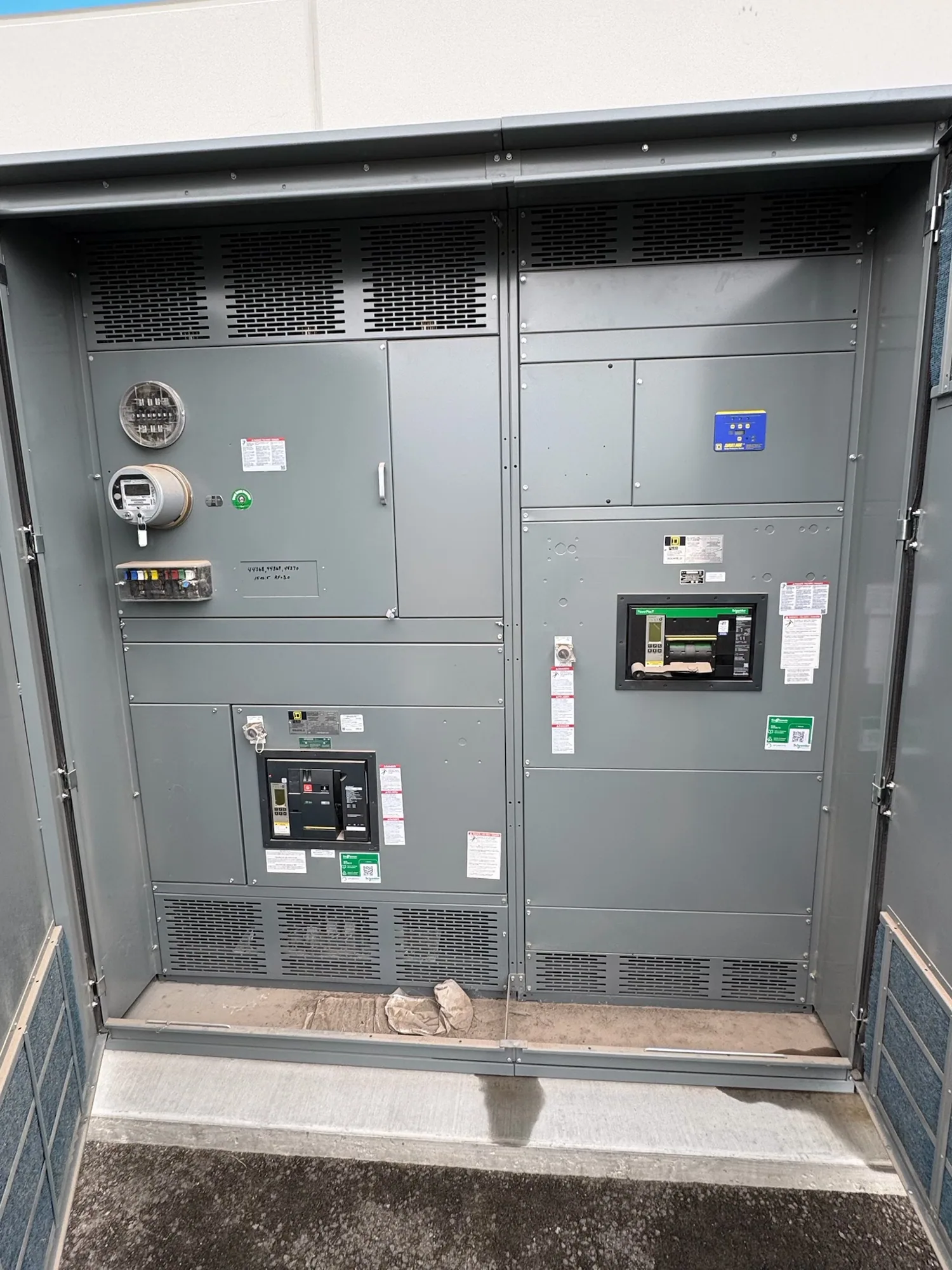
Establish the equipment scope first
UL 891 is a standard for eligible low-voltage switchboards. It is not a blanket statement about every type of electrical distribution equipment, and it should not be applied to medium-voltage switchgear. Begin by confirming that the project equipment is in fact a switchboard and that its voltage class, construction, intended use, and specified configuration fall within the standard’s scope.
Applicability also depends on the project documents and the governing requirements in effect for the installation. The responsible electrical engineer, authority having jurisdiction, and project specification may identify an applicable edition or additional requirements. A manufacturer can review the requested design, but the project team should resolve conflicts or uncertain interpretations before treating a standard reference as a compliance determination.
Distinguish the standard from assembly evidence
A reference to UL 891 describes a standard; it does not, by itself, establish that a particular switchboard is listed or labeled. Buyers should ask whether the complete assembly offered for the project is eligible for and covered by an applicable listing, and what marking or documentation will accompany that specific configuration. Verify the answer with the manufacturer and, where necessary, the listing organization.
Assembly-level evidence matters because a switchboard is a coordinated arrangement of sections and components. A marking on an individual breaker, meter, or other device identifies information about that component; it does not automatically establish the status of the assembled switchboard. Likewise, a general product description or a statement that a design is based on a standard is not a substitute for confirming the specific assembly’s listing scope.
Review the proposed configuration, not just the product name
Listing applicability may depend on the actual design. Section arrangement, protective devices, bus configuration, ratings, control features, and specified accessories can affect whether a proposed assembly fits a covered construction. These are design questions, not details to infer from a catalog label. Ask the manufacturer to identify the configuration being quoted and disclose any project-specific choices that need review against the applicable listing.
Clarify the electrical and physical interfaces at the same time. Provide the one-line diagram, service and load requirements, available fault-current information when established by the project, incoming and outgoing arrangements, metering needs, enclosure conditions, and space constraints. The responsible engineer should confirm design values and application requirements. Complete inputs help determine whether the requested arrangement is feasible and whether the specified evidence applies to the equipment actually being supplied.
Understand component markings and design boundaries
Component markings remain important: they help identify devices and their permitted use. But a collection of marked components is not proof that their combination, mounting, wiring, and enclosure constitute a listed switchboard assembly. Request an explanation of the distinction if submittal documents present component information alongside an assembly-level claim, and check that the documentation corresponds to the offered equipment rather than a different or illustrative design.
Changes can also matter. Substitutions, additions, or deviations requested after a configuration is reviewed may require renewed confirmation of listing scope and project acceptance. Do not assume that a change is covered simply because the original design was described as listed. Identify who must approve proposed deviations, what records should be revised, and whether the final equipment markings and submittals will reflect the accepted configuration.
Prepare a focused documentation request
For a meaningful review, send the current specification and drawings, identify the requested standard and edition if stated, and list the required switchboard ratings and construction. Ask for assembly-specific evidence, the scope it covers, the expected equipment markings, and any limitations or exclusions. If the quote includes options or alternates, request confirmation that the evidence applies to each proposed arrangement rather than only to a baseline design.
Also ask how unresolved points will be documented before release. A clear record can identify assumptions, exceptions, required approvals, and the party responsible for accepting deviations. Product availability and actual lead times depend on the order and must be confirmed; do not infer delivery timing from a standards review. For a new custom switchboard, complete technical inputs and prompt review of submittals support better coordination without replacing the project’s compliance process.
Coordinate specification, manufacture, and acceptance
South Carolina Switchgear Builders manufactures new switchboards to specification, with US-built equipment, all-American components, and nationwide shipping. Configuration, listing applicability, ratings, testing, and delivery dates must be confirmed for the particular order. UL 891 applies only where appropriate to an eligible low-voltage switchboard design; it should not be treated as an automatic certification claim for every product or configuration.
Before purchase, align the quote, approved drawings, project specification, and required evidence so that each describes the same equipment. Establish how questions will be answered during review and how approved changes will be captured. Installation, inspection, testing, and maintenance should be performed by qualified personnel under applicable safety procedures. This disciplined handoff helps the buyer evaluate the new switchboard on its actual design and documented scope.