Define modernization separately from installation
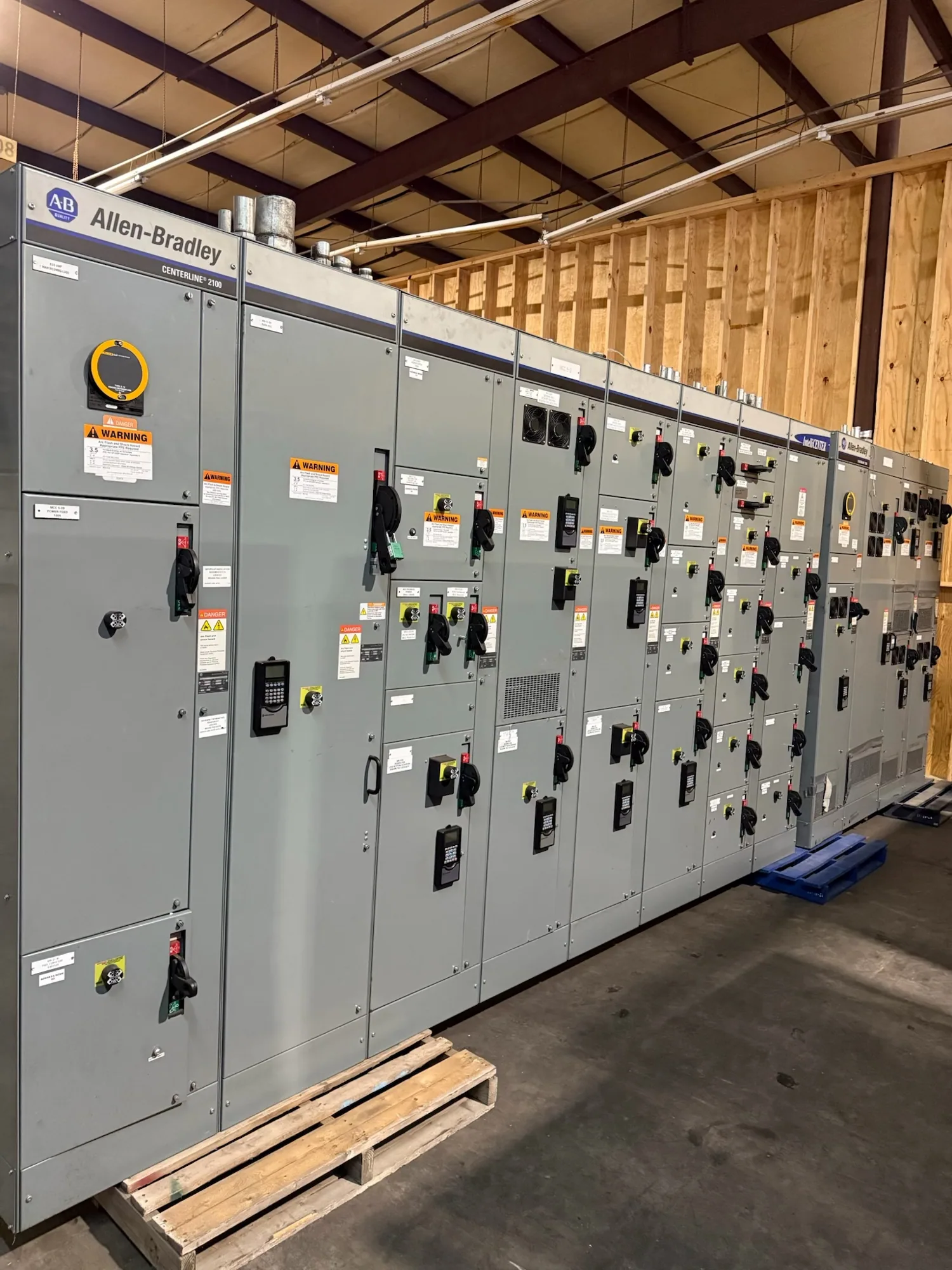
Switchgear modernization can mean replacing a complete lineup, adding newly manufactured distribution equipment, or planning a phased transition toward a defined future configuration. Start by identifying the outcome: address capacity needs, change protection or monitoring functions, establish a new distribution arrangement, or align equipment with planned facility changes. These objectives influence the equipment scope and should be clear before requesting a proposal.
A manufacturer can build new switchgear or switchboards to an approved project specification; the equipment scope is not the same as the field execution plan. Removal of existing apparatus, temporary power, outage windows, tie-in work and commissioning arrangements depend on site conditions and qualified project personnel. Treat those as coordinated but distinct workstreams, rather than assuming new equipment alone determines how an operating facility will transition.
Establish the electrical and physical baseline
Gather available one-line diagrams, equipment schedules, nameplate information, protection settings and site drawings. Record the system voltage class, source and load arrangement, existing lineup limits, feeder destinations and any known interface constraints. Ask the responsible engineer to verify what remains accurate. Older drawings may not reflect field changes, and equipment dimensions or connection details should be confirmed before they are used as design inputs.
Physical constraints matter alongside electrical requirements. Document room access, equipment location, cable or bus entry, working clearances and routes for bringing in a new lineup. Identify which existing connections must be retained or changed, and who will verify measurements and termination requirements. These inputs help determine whether a proposed design fits the actual installation context; they do not, by themselves, establish that a particular replacement sequence is feasible.
Set protection, capacity and monitoring requirements
Modernization is an opportunity to review the intended protection functions, but settings and device selection require project-specific engineering. Provide the current protection study if available, anticipated source conditions, coordination objectives and known operating constraints. The responsible engineer should assess whether the study needs revision for the proposed configuration. Do not assume that transferring existing settings to new equipment will preserve the desired coordination or protection behavior.
Define present and planned loads, expected additions, and the capacity or spare provisions the project should evaluate. Extra capacity can offer flexibility, but it may affect equipment arrangement, footprint, cost and design choices; the appropriate margin is not universal. For monitoring, specify which electrical values or status points matter, who will use them, and how information must interface with existing control or communications systems. Confirm protocols, points, ownership and integration responsibilities rather than relying on a general request for “smart” equipment.
Choose a practical phasing strategy
A future-state design can be divided into equipment packages or project phases, but the sequence must be checked against electrical dependencies. Identify critical loads, acceptable outage conditions, interim operating arrangements and any required tie points. The project engineer and site team can then assess whether the proposed stages are workable and what temporary measures or protection reviews they require. No equipment proposal alone can guarantee uninterrupted service during a transition.
Phasing may reduce the scope of a single procurement package, yet it can introduce interface risks if later equipment, controls or connections are not defined early. Establish what must remain consistent across phases, including lineup boundaries, communications expectations, documentation and reserved space where applicable. Specify which decisions are firm and which are future options. This lets the new-equipment design account for planned expansion without presenting an unapproved future phase as part of the current supply.
Specify new equipment and verify applicable requirements
State whether the project requires low-voltage switchboards, switchgear, or a combination, and identify the applicable voltage class and project ratings for engineering review. Describe the required arrangement, protective devices, metering, controls, enclosures, connections and operating interfaces. Request confirmation of ratings, standards, testing, listing and other requirements for the specific proposed assembly. For eligible low-voltage switchboards, UL 891 applicability and assembly listing must be verified for that design; it does not apply as a blanket claim to all switchgear.
Provide the specification, one-line diagram, load information, protection study, physical constraints, monitoring requirements and target project sequence with the request for quotation. Include applicable submittal expectations and the review process. A manufacturer can confirm whether the requested configuration is within scope and identify information still needed. Availability and lead time depend on the order and must be confirmed; do not base an outage or construction schedule on an unverified date.
Coordinate the equipment handoff
Assign clear responsibility for design approval, field verification, installation, protection settings, testing and commissioning. Qualified personnel must perform installation and testing under applicable safety procedures. Agree on how questions, drawing revisions and approved changes will be managed, and identify the documents needed for the project handoff. These decisions help distinguish the manufacturer’s equipment deliverables from the site team’s work without leaving critical interfaces unaddressed.
Before procurement, review the proposed scope against the modernization objective, future-load assumptions, connection details and phasing concept. Resolve open engineering questions and confirm project-specific delivery expectations in writing. South Carolina Switchgear Builders manufactures new equipment to specification, with nationwide shipping; configuration, applicable requirements and timing depend on the confirmed order. A well-defined request gives the project team a sound basis for comparing the proposed equipment and coordinating the separate installation plan.