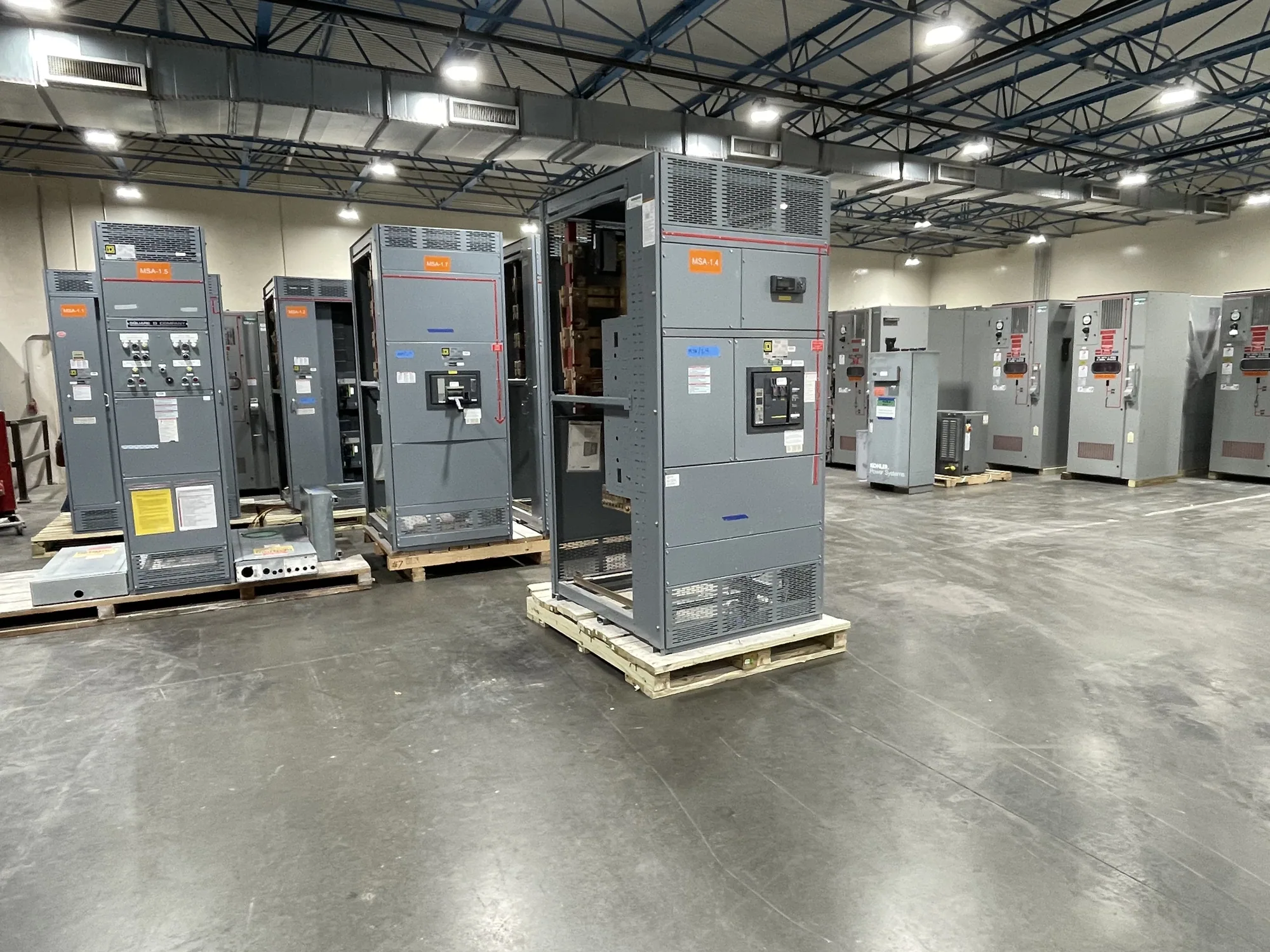
Plan around the project, not just the equipment
For an Aiken, South Carolina project, switchgear planning starts with the electrical design and the conditions for receiving, installing, and commissioning the equipment. An industrial expansion, institutional facility, or commercial campus may have controlled site access, specific delivery windows, and owner documentation requirements. These are possibilities to verify for the individual project, not assumptions about every site in the area.
South Carolina Switchgear Builders manufactures new switchgear and switchboards to specification in the United States and ships nationwide. The right configuration depends on the project’s electrical requirements, drawings, and procurement documents. Early discussion helps identify information still needed before a design can be reviewed and an order can be planned. Availability and actual lead times depend on the order and must be confirmed.
Establish the electrical scope
Begin with the one-line diagram and identify what the equipment must do within the distribution system. Confirm the system voltage class, service arrangement, source and load connections, protective-device requirements, and any planned future sections with the responsible electrical engineer. Avoid selecting equipment from a general description alone: the final design must match the project documents and interface with the surrounding system.
Clarify whether the project calls for a low-voltage switchboard or medium-voltage switchgear. A 480 V class assembly is low voltage; 5 kV and 15 kV class equipment are medium voltage. These categories are not interchangeable, and a project’s voltage class does not by itself establish every required rating or configuration. Have the engineer identify applicable electrical characteristics and confirm them against the equipment specification.
Account for access and installation handoffs
Where access is controlled, translate site rules into practical delivery information before equipment is released for shipment. Ask the owner or general contractor about receiving hours, advance notice, driver check-in, escort requirements, unloading responsibility, staging restrictions, and the approved route to the electrical room. Confirm who can authorize delivery changes and who will be available to accept the shipment.
Physical access matters as much as scheduling. The project team should compare equipment dimensions and shipping configuration with door openings, corridors, elevators, turning space, floor capacity, and the intended handling path. Confirm who provides lifting equipment and manages movement from the receiving point to the installation location. These details should be coordinated by the responsible contractor and site representatives; they cannot be inferred from an Aiken address.
Coordinate owner records and contractor responsibilities
Before requesting a quote, collect the owner’s documentation and handoff requirements. These may include drawing formats, equipment identification conventions, submittal review steps, approved document contacts, and the information required for turnover. Ask which party reviews design documents, resolves comments, coordinates field interfaces, and maintains the final record set. Clear responsibility assignments reduce the risk of conflicting revisions or missing project information.
Also establish the installation and commissioning boundaries. Identify the electrical contractor, engineer, owner representative, and other project contacts, then agree how questions and approved changes will be communicated. Installation, testing, and maintenance must be handled by qualified personnel under applicable safety procedures. Any project-specific testing, documentation, or acceptance requirements should be stated in the procurement documents and confirmed for the supplied equipment.
Evaluate medium-voltage needs for a campus
For a hypothetical commercial campus, medium-voltage switchgear may be relevant if the engineered distribution plan uses a medium-voltage system. The buyer should ask the engineer to confirm the voltage class, source arrangement, switching and protection functions, connected equipment interfaces, and whether the project expects provisions for future expansion. These decisions depend on the actual design; a campus label alone does not determine the required equipment.
Consider tradeoffs as a coordinated system rather than isolated options. A compact layout may affect working space, cable access, maintenance planning, and the route into the building. Additional sections or future provisions may affect footprint and cost. Ask which features are required now, which are reserved for a defined future phase, and which would add complexity without serving an identified project need. Confirm the resulting arrangement against site drawings and the engineer’s requirements.
Confirm standards and project-specific requirements
Applicable equipment standards, installation codes, utility rules, and authority having jurisdiction requirements depend on the design and location. The project engineer and other responsible parties should identify the requirements that apply and provide them in the equipment specification. Do not assume a standard applies to every assembly or that a general product description establishes compliance.
UL 891 applies to eligible low-voltage switchboards, but applicability and assembly listing must be verified for the specific design. It does not apply to medium-voltage switchgear. Ask the manufacturer to confirm listing, ratings, testing, and other requested characteristics against the actual proposed assembly and procurement requirements before approval.
Prepare a complete Aiken-area RFQ
A useful request for quotation includes the one-line diagram, equipment schedule, applicable drawings, required voltage class, specified ratings, protective-device details, and any project-specific standards or documentation requirements. Include the delivery address, receiving contact, access procedures, unloading plan, target delivery window, and restrictions on vehicle size or staging. Flag open design questions instead of treating unconfirmed selections as settled requirements.
Before placing an order, review the proposed scope, drawings, exceptions, interfaces, and delivery assumptions with the project team. Confirm current availability and the expected delivery schedule for the specific order rather than relying on a general estimate. South Carolina Switchgear Builders can review a defined request for new equipment; complete project information gives the manufacturer and buyer a clearer basis for coordinating the specification, approval process, and shipment to the Aiken site.