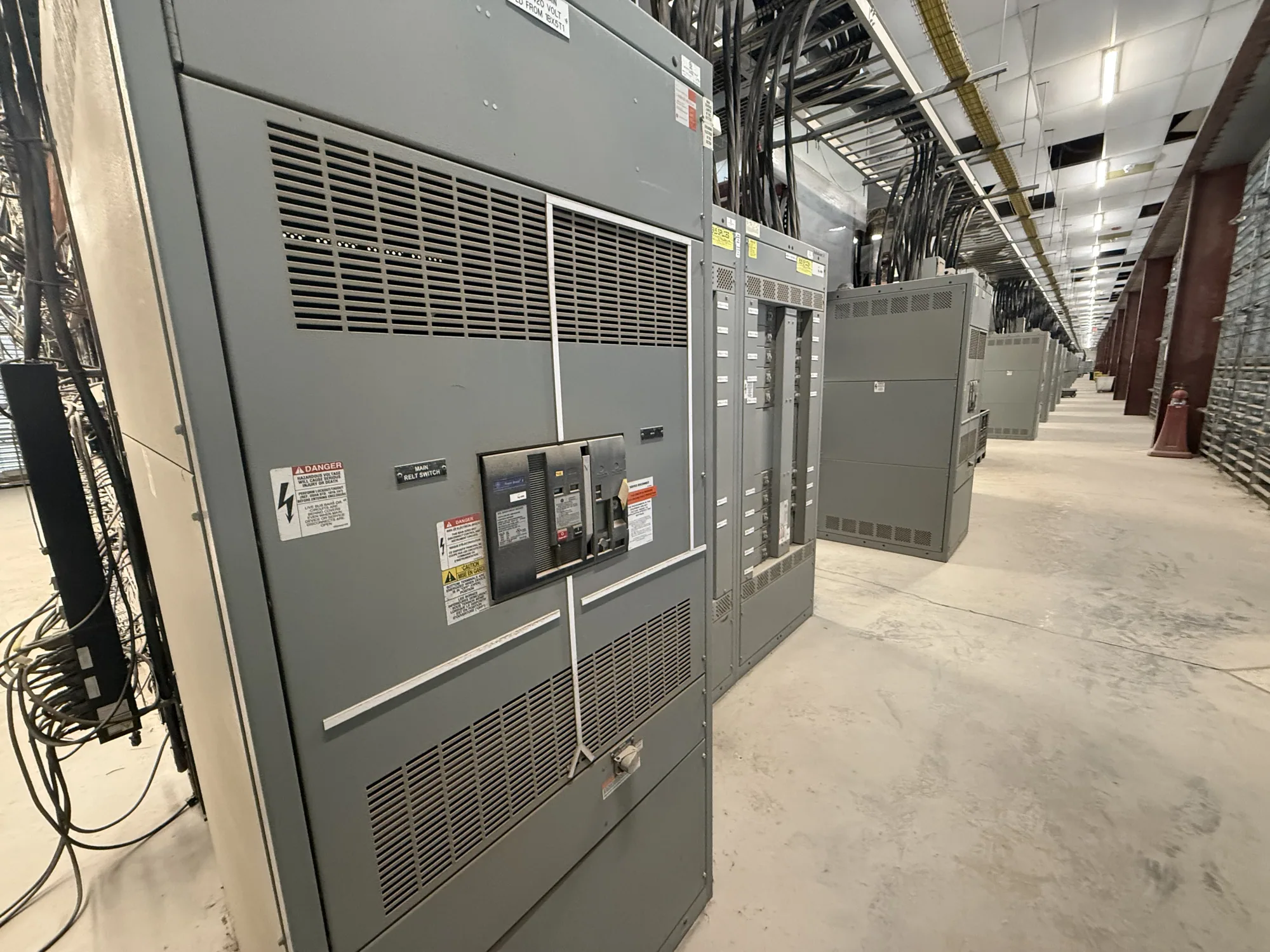
Frame the project around its operating needs
For a Greer-area commercial project, switchgear planning starts with the electrical system and the work it must support—not a city-specific equipment assumption. A manufacturing facility, distribution building, or other commercial site may have different operating schedules, load profiles, and plans for future phases. Treat phased expansion as a planning scenario: define what is required now, what might be added later, and which decisions the project engineer must settle before equipment is specified.
South Carolina Switchgear Builders manufactures new equipment to specification and ships nationwide. Buyers can use the project’s one-line diagram, electrical specifications, and installation constraints to begin a focused discussion. Equipment configuration, availability, delivery timing, applicable ratings, testing, and listing depend on the actual design and order and should be confirmed. This keeps early planning useful without assuming a particular facility, utility requirement, or delivery date.
Translate load forecasts into a defensible design
Ask the responsible electrical engineer to establish expected normal load, demand assumptions, starting or transient requirements where relevant, and the anticipated sequence of additions. These inputs help inform equipment selection, but forecast growth alone does not establish a required rating. The engineer should evaluate the full system and specify suitable bus and device current ratings, protective-device arrangements, and any design margins based on documented project conditions.
Temperature, enclosure conditions, ventilation, installation environment, and other derating factors can affect equipment application. Their impact is design-specific; do not assume a nominal rating will remain appropriate under every site condition. Provide the planned electrical room or installation location, environmental details available to the project team, and any known operating constraints. Confirm how the selected assembly addresses those conditions against its actual submittal and applicable project requirements.
Choose equipment by voltage class and application
Low-voltage switchgear may be appropriate for some commercial distribution systems, but the project’s specified voltage class and system architecture should determine the equipment category. A 480 V class system is low voltage; 5 kV and 15 kV class systems are medium voltage. These categories are not interchangeable. Share the one-line diagram and stated system voltage so the manufacturer and engineer can discuss a configuration that fits the intended application.
For a hypothetical warehouse and logistics project, planners might compare how incoming distribution, building loads, and possible later additions should be arranged. That is a useful scenario, not evidence of a specific local installation. The team should determine whether low-voltage switchgear, a switchboard, or another arrangement fits the design. UL 891 applies to eligible low-voltage switchboards, not medium-voltage switchgear; confirm whether a specific switchboard design and assembly listing are applicable rather than assuming all equipment is listed.
Coordinate receiving and installation constraints
Delivery planning belongs in the design conversation because equipment must reach its intended location and be positioned within the project’s installation sequence. Before requesting a proposal, identify the receiving entrance, unloading method, route to the electrical room, access restrictions, and any dimensional or handling limits known to the site team. Confirm equipment dimensions, shipping configuration, and delivery details for the actual order; do not rely on an assumed fit or standard site access.
For an operating facility or phased construction schedule, identify the periods when electrical work may be coordinated with production or occupancy. The project team should determine required outage windows, temporary arrangements, and commissioning sequence. New equipment does not eliminate the need for careful transition planning. Installation, testing, and maintenance must be performed by qualified personnel under applicable safety procedures, with responsibilities and schedule dependencies established by the project team.
Build an RFQ that supports a useful response
A clear request for quotation should include the one-line diagram, project specifications, voltage class, required equipment scope, and known current ratings or design criteria. Add the intended installation environment, operating requirements, project phase, anticipated future provisions, and any applicable documentation or listing requirements for the specific assembly. Flag open engineering decisions rather than guessing; the responsible engineer can identify what must be resolved before a final configuration is established.
Also provide the project location in Greer, requested delivery window, receiving contact or process, access constraints, and the date by which submittals or other project information are needed. Ask which schedule assumptions depend on finalized drawings, approvals, or order details. South Carolina Switchgear Builders states that equipment is US-built, uses all-American components, and is custom to specification; availability and actual lead times must still be confirmed for the order.
Move from planning to coordinated procurement
Before release, compare the proposal and submittals with the project’s approved electrical documents. Confirm scope boundaries, ratings, enclosure and connection details, accessory requirements, documentation, and any design-dependent testing or listing expectations. Resolve mismatches with the engineer and manufacturer before fabrication. This review is especially important when a project will be delivered in phases, since later equipment or building changes may affect interfaces and the original load assumptions.
With those details assembled, a Greer buyer can request a project-specific discussion and confirm service-area coverage, configuration, availability, and delivery expectations directly with the manufacturer. Keep the electrical engineer, procurement lead, site receiving team, and installation contractor aligned as decisions progress. A complete specification and realistic site plan make it easier to evaluate new switchgear against the project’s actual needs, without substituting broad assumptions for engineering review.